


What Is the Best Way to Plan an Australia Itinerary?
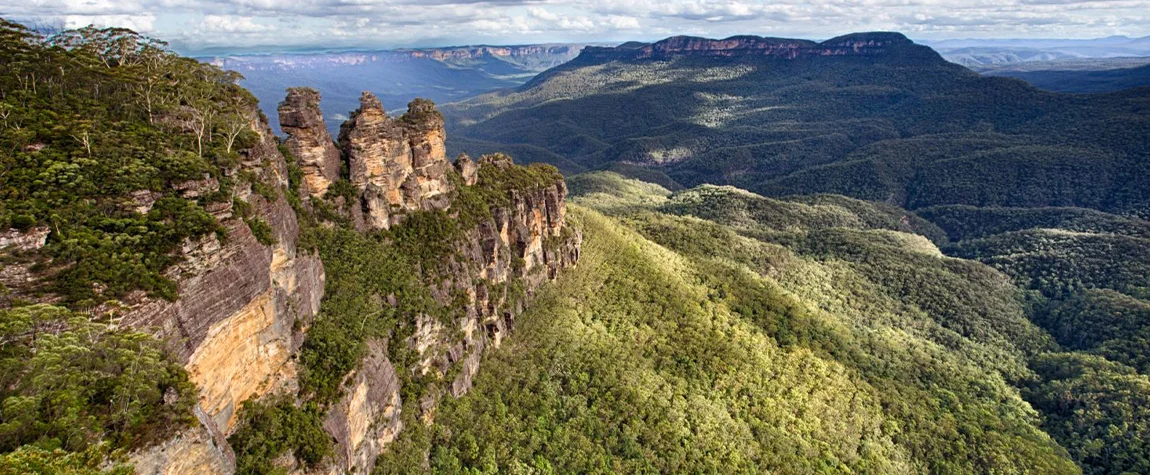
Planning a trip to Australia can feel overwhelming due to the country’s vast size, the landscape is varied, and the distance of traveling is long. Travelers should strike a balance between time, interests, and geography without the need to have rushed schedules to Plan an Australia Itinerary. Whether it is the brightest cities of the world or the most distant natural marvels, intelligent design makes the journey much easier. Many travelers simplify their journey by choosing Explore Australia Tour Packages, which combine major highlights into a well-paced trip.
1. Understand Australia’s Size and Geography
a) Why Australia Requires Strategic Planning
Australia is almost the same size as the continental United States, and it is impossible to visit all the things in one trip. The distance between cities, climatic conditions and inaccessible transport in remote areas demand critical scheduling. In order to plan an Australia Itinerary effectively, the travelers have to focus on areas and leave time to move between places.
b) Key Regions to Know
- East Coast (cities, beaches, rainforests)
- The East Coast of Australia is the right place to visit the first time as it has the most famous cities, such as Sydney and Brisbane, and stunning beaches and rainforests. This area boasts of good transport connectivity, wide variety of attractions and a blend of city and nature that one can easily incorporate several destinations without wasting a lot of time in traveling.
- Red Centre (desert landscapes and cultural sites)
- The Red Centre is a reflection of the dramatic scenery of Australia with the focus on Uluru and the expansive desert plains. The place has rich cultural values, Aboriginal culture and distinct sceneries. It is remote and thus flights and guided tours are usually required hence you need to consider them in your itinerary.
- Northern Australia (tropics and wildlife)
- Northern Australia is characterized by tropical climate, waterfalls, rainforest and good wildlife experiences. Tourist attraction sites such as Darwin and Kakadu National Park are a favorite to nature lovers. Weather conditions are significant here because of the seasons, hence the planning of the itinerary should be done in relation to the wet and dry seasons to ensure they are accessible and comfortable.
- Southern Australia (wine regions and coastal drives)
- Southern Australia is characterized by tourist coastal roads, cool climatic wine districts and cultural cities such as Melbourne and Adelaide. It is a region that is road trip friendly and easy travel. It has mild weather and small attractions, which makes it a perfect destination of the traveler who wants to explore and have a lower pace of time and culinary experience.
2. Decide the Length of Your Trip

a) Short Trips (7–10 Days)
The short trips are most effective when it targets a specific location, like the East Coast or a specific city like Sydney and surrounding day trips. Reducing travelling distances would enable one to do more sightseeing without getting tired of flying or travelling long distances.
b) Medium Trips (2–3 Weeks)
Travelers will be able to mix two or three regions with two to three weeks. There are internal flights that allow one to visit cities and coastal strips and one natural region. With proper pacing and regional focus, travelers can create a balanced Australia Holiday Itinerary without feeling rushed.
c) Long Trips (1 Month or More)
Long journeys are ideal in sluggish traveling, prolonged road journeys, and remote touring. Tourists will be able to study various areas in detail, add some destinations that are not so popular, and change the plans in a flexible way. This is a period that is appropriate to adventure enthusiasts and those who want to have a closer association with Australia.
3. Choose Your Travel Style and Interests
a) City Experiences
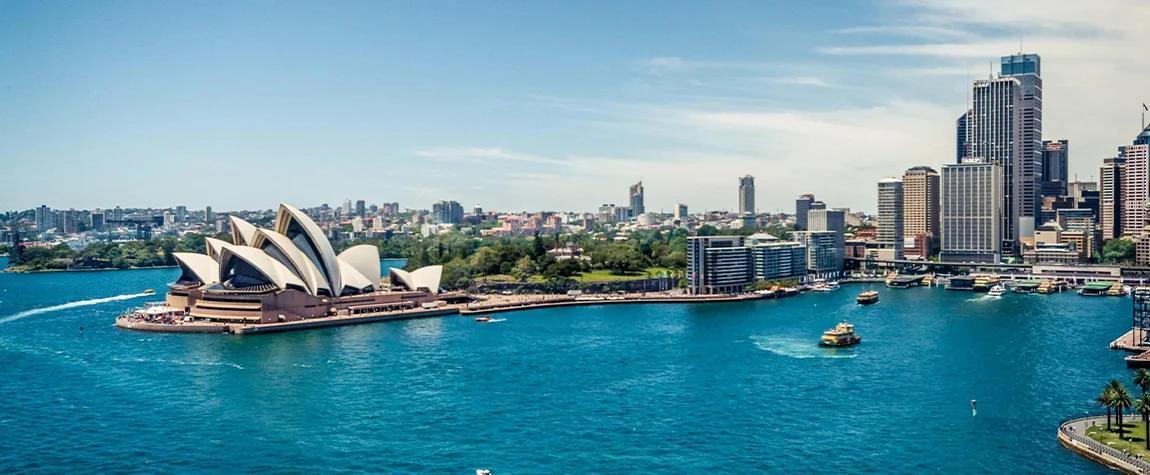
The big cities in Australia provide the rich cultural experience, variety of food, and the attractions of the world. Sydney and Melbourne are the top spots in architecture, museums, shopping and night life. The urban oriented tourists enjoy tight schedules and good public transport networks.
b) Nature and Adventure
National parks, reefs, coastal trails and wildlife sanctuaries can be explored by nature lovers. There is a wide range of activities such as hiking, diving and wildlife spotting. Planning an Australia Itinerary, you can enrich it with the regions of the country, which are related to nature and memorable outdoor activities.
c) Beaches and Islands
The coastline of Australia is ideal to all beach lovers who want to surf, snorkel and relax. In the Whitsundays up to Byron Bay, beach resorts have relaxed settings. These are the places where one can take time and relax between sightseeing and rest.
d) Culture and History
The country has to offer cultural travelers the opportunity to visit Indigenous heritage sites, historical towns, and museums. The knowledge of the Aboriginal culture, colonial history, and local culture will enhance any itinerary and offer significant traveling experience, outside of the major attractions.
4. Pick the Best Time to Visit Australia
a) Understanding Australian Seasons
- Summer: December–February
- Summer is hot or warm and is ideal at the beach and coastal resorts. It is however peak tourist season, which means that the prices are higher and the attractions are overcrowded. The period may be associated with heavy rainfall in the North which impacts on accessibility.
- Autumn: March–May
- Autumn boasts of good temperatures, less people and good sightseeing. It is perfect in urban hunting, wine countries and tours. Most regions have comfortable weather and balanced weather in this season that many travelers like to spend their time during this season.
- Winter: June–August
- The winter in the southern cities is not very cold but it is still mild in comparison with most of the countries. The weather is fabulous in the cities and deserts and northern Australia has a dry and sunny climate which is ideal when it comes to exploring the wildlife and adventure tours.
- Spring: September–November
- The spring has flowering landscapes, average temperatures, and a decrease in the number of tourists. It is a great time of the year to travel to nature, hike and drive along the coast. The level of wildlife activity is on the rise and the conditions of traveling are mostly favorable in the country.
b) Weather Considerations by Region
- Northern Australia is characterized by wet and dry seasons which influence access to travel.
- The cities in the South are colder in winter and mild in summer.
- The ocean weather can also change conditions at the coastal regions.
5. Plan Transportation Between Destinations
a) Domestic Flights
Australia has long distances that can be covered in the shortest time possible through domestic flights. They save time and enable travelers to cover far-off areas in constrained plans, and multi-region itinerary is more sensible and effective.
b) Road Trips
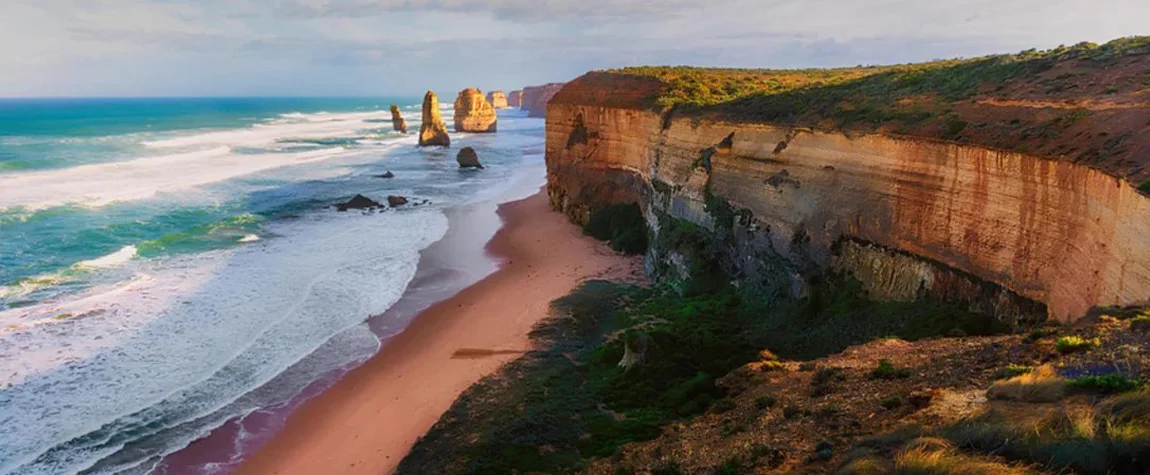
The road trips offer flexibility and access to scenic roads such as the Great Ocean Road. They would be perfect in the coastline and wine country, where the tourist is free to discover things at their own speed and make stops at the secret vantage points.
c) Public Transport in Cities
Large cities can be served by good trains, trams and buses. The use of public transport is cheap and convenient in sightseeing areas and minimizes car rentals in the cities and at the same time, accessibility to the sites is easy.
6. Build a Day-by-Day Itinerary
a) Balance Activities and Rest
- Do not plan too many attractions within a day.
- Insert rest time to decrease the travel fatigue.
- Take time to explore destinations and not in a hurry.
b) Logically Group Destinations
- Go to the local attractions.
- Minimise wastage of time in transit.
- Accommodation of plans near major sights.
c) Allow Flexibility
Plans are subject to weather changes, long distances and unforeseen delays. Avoiding buffer days will assist the travelers to schedule their days without the pressure and have some spontaneous moments on the way.
7. Budget and Accommodation Planning
a) Accommodation Types
- Comfort and convenience hotels.
- Budget traveler hostels.
- Apartments for longer stays
- Green lodges of the nature trips.
b) Daily Cost Expectations
- Costs of food and eating may be exorbitant.
- The cost of transport and tours is added to the daily expenses.
- Planning ahead aids in the control of costs.
c) Saving Money
- Shoulder season travel.
- Book flights and stays early
- Travel by transportation rather than taxi.
8. Add Must-See Highlights (Without Overloading)
a) Iconic Landmarks
- Sydney Opera House
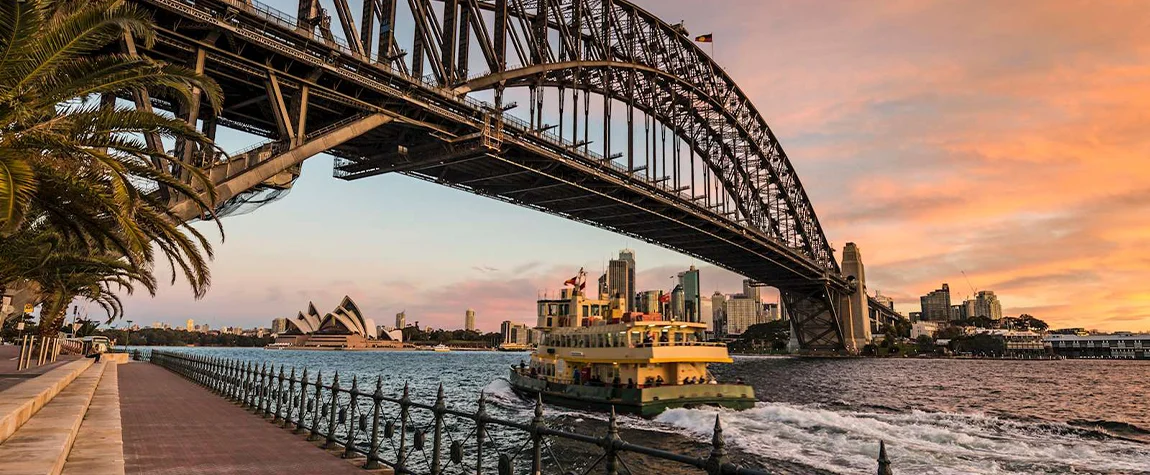
- This is a masterpiece of architecture that is a symbol of the culture of Australia. Tourists will be able to have guided tours and performances and beautiful views of the harbor. It can easily fit in the city-based itineraries and provides not only sightseeing but also cultural experience.
- Great Barrier Reef
- The Great Barrier Reef is a marvelous natural phenomenon in the world. Snorkeling, diving, and reef cruises give the travelers a chance to see marine life and coral reefs, making it one of the must-have items in any nature-based itinerary.
- Uluru
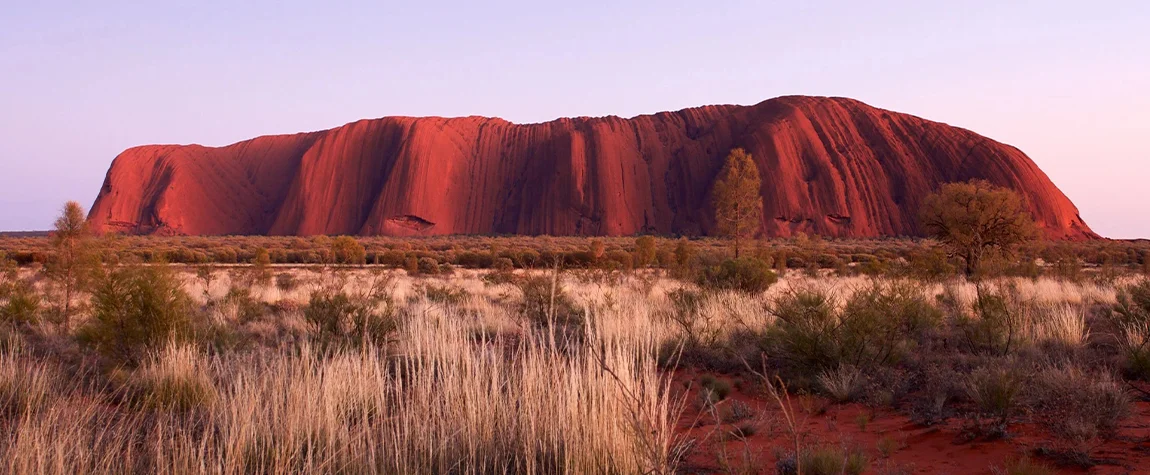
- Uluru is a holy Aboriginal place found in Red Centre. It has changing colors during sunset and sunrise, which are memorable. Going to Uluru, one can gain some cultural knowledge and comprehend the Australian spiritual background better.
b) Hidden Gems
- Small Coastal Towns
- Lovely seaside resorts are full of relaxing beaches, new seafood and welcoming locals. They are perfect to make your trip slow and explore Australia outside the bustling tourist metropolises.
- Lesser-Known National Parks
- These parks include picturesque paths, wildlife and dramatic landscapes with minimal crowds. They are ideal in hiking, photography and exploring the natural beauty of Australia in a more peaceful environment.
- Local Markets and Regional Experiences
- Local markets are a display of local food, local crafts and local life. Touring them will enrich the cultural experiences and help the local businesses as well as explore the destinations that are not well known.
9. Prepare Logistics and Essentials

a) Visas and Entry Requirements
- Apply for an electronic travel authorization
- Ensure passport validity
- Check visa conditions and stay limits
- Check in policies prior to flight booking.
b) Health and Safety Tips
- Use sun protection
- Carry travel insurance
- Stay hydrated
- Follow wildlife safety guidelines
c) Connectivity and Apps
- Use local SIM cards or eSIMs
- Get map applications and download navigations.
- Install transport apps
- Make reservations via travel applications.
FAQs About Planning an Australia Itinerary
1. How many days do I need for Australia?
A minimum of 10-14 days to experience it all, more to experience more than one region.
2. Is it better to fly or drive in Australia?
Long flights are best done in flying suits whereas driving is best on coast and regional trips.
3. What is the best month to visit Australia?
The most favourable conditions are March to May and September to November.
4. Can I visit Australia on a budget?
Yes it contains off-season travels, public transport, and advance bookings.
Conclusion:
The best approach to Plan an Australia Itinerary is to focus on regions, align the traveling styles with the interests, and leave time to cover the distances and rest. Proper planning will make certain that you see the best of Australia without becoming tired of it. Through appropriate season, transportation and speed, tourists can have a hassle-free travel. To make the journey more convenient and professionally planned, many travelers prefer to Book Australia travel from Dubai through reliable travel agencies.
Read More:
- Why Is Melbourne Famous Among International Visitors?
- Cities Should I Visit in Australia
- Must-See Natural Wonders in Australia