


What Is the Best Itinerary for Visiting Portugal?

Portugal is an extremely enriching European destination, a nation with a rich historical background, stunning scenery, food, and a relaxed life by the seaside. The country offers diversity in a few travel distances including centuries-old neighborhoods and monuments listed in the UNESCO list, golden beaches, and vineyards-filled valleys. This renders Portugal particularly attractive to the tourists who do not have to deal with complex logistics and seek cultural richness.
The other factor that makes Portugal the destination of global tourists is that it is cheap in comparison to other European countries in the West. Good food, good accommodation and good transportation are of good quality and are affordable. Visiting Portugal the first time or the second time, come to explore it more in-depth, the Best itinerary for visiting Portugal is the perfect match to the Top Portugal Travel Packages that may be adjusted to any type of travelling.
1: How Many Days Do You Need in Portugal?
a) Days in Portugal
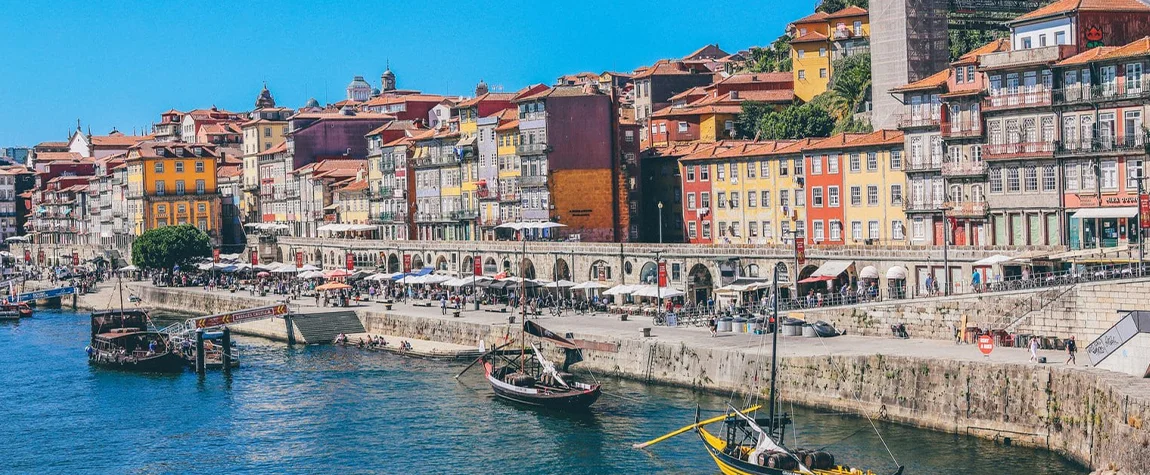
Seven days in Portugal will be ideal when the traveler wants to have a highlights oriented experience. This is an itinerary that will take you to the colorful Lisbon streets, the river-side Porto, and one of the coastal destinations like the Algarve. First time visitors or short holidays allow you to combine sightseeing, cultural sites and scenic relaxation without rushing so that you can enjoy everything.
b) 10 Days in Portugal
A ten-day vacation gives one more time to enjoy and be more immersive. Besides Lisbon and Porto, you can visit the Douro Valley wineland, take in the picturesque vineyard scenery and have some time in the southern coast of Portugal. This program provides a chance to explore the Portuguese cuisine, rest on the beach, and get a glimpse of the local culture, providing a traveler with a more comprehensive picture of the Portuguese cities, country, and shore.
c) 14 Days in Portugal
A fourteen-day trip is sufficient to explore the best of Portugal and its secret spots. You can visit less frequented areas such as Alentejo which is known as the wine and ancient towns or go to island resorts such as Madeira or Azores. This will be the best itinerary for visiting Portugal as it will be the most comprehensive and slow-paced with more leisure time to enjoy Portugal.
2: Best Time to Visit Portugal

a) Spring (March–May)
One of the most suitable times to visit Portugal is spring when the weather is mild, and the number of people is smaller. Cities are walkable, countryside are green and attractions are not filled with people. Cultural sightseeing and photography is a great thing to do.
b) Summer (June–August)
The season is high in summer and particularly in Lisbon, Porto and Algarve. It has a hot and sunny weather that is ideal in beaches, festivals, and outdoor restaurants. Nevertheless, it is possible that the most popular places can be congested, and the prices can be higher at this time.
c) Fall (September–October)
Fall is the time of warm weather and fewer people, which makes it the perfect time to travel. It is also harvest time in such areas as the Douro Valley, which are producing wine. Fall is also a favorite of travelers who want to have some balance in terms of the ocean temperatures because they are pleasant.
d) Winter (November–February)
It is also cheaper and quieter in the winter especially in cities. Although the beach activities are few, there are cultural attractions, museums, and food experiences that are enjoyable. It is a pleasant time to take up easy city holidays and off-season travelling.
3: Portugal Itinerary Overview (North to South Route)

The most effective touring route to explore Portugal is the north-south route. Beginning in Lisbon, proceeding to Porto and Douro Valley, and then to the Algarve saves time on traveling and eliminates needless backtrack. The trains serve the major cities well, whilst the rental cars are applicable in the rural and coastal areas. This framework helps to have an easy and adaptable Portugal Holiday Itinerary that can be used in various trip durations.
4: Days 1–3: Lisbon

a) Top Things to Do in Lisbon
- Alfama and Bairro Alto areas: Visit old streets, old houses and night life districts.
- Belém Tower and Jeronimos Monastery: Pay a visit to the typical landmark buildings representing the history and architecture of Portugal in the context of the sea.
- City viewpoints (Miradouros): Have the panoramic views of the rooftops and Tagus River at Lisbon.
b) Where to Stay in Lisbon
- Baixa sightseeing: Because of its location, it is better to be in the center where everything is at a walking distance.
- Chiado to shop around: This is a good place to visit due to fashionable shops, cafes and cultural institutions.
- Alfama to local flavor: Have the feel of a real place with its narrow streets and river-side.
c) Lisbon Food and Culture
The food culture of Lisbon is a manifestation of their maritime and regional culture. Pastéis de nata is a typical dessert that is consumed throughout the city, particularly in old-fashioned bakeries. Visitors can be often linked to Portuguese identity and history by listening to emotional narratives presented as songs, especially during Fado music performances that can be organized in the evenings.
5: Day 4: Day Trip to Sintra

a) Must-See Attractions in Sintra
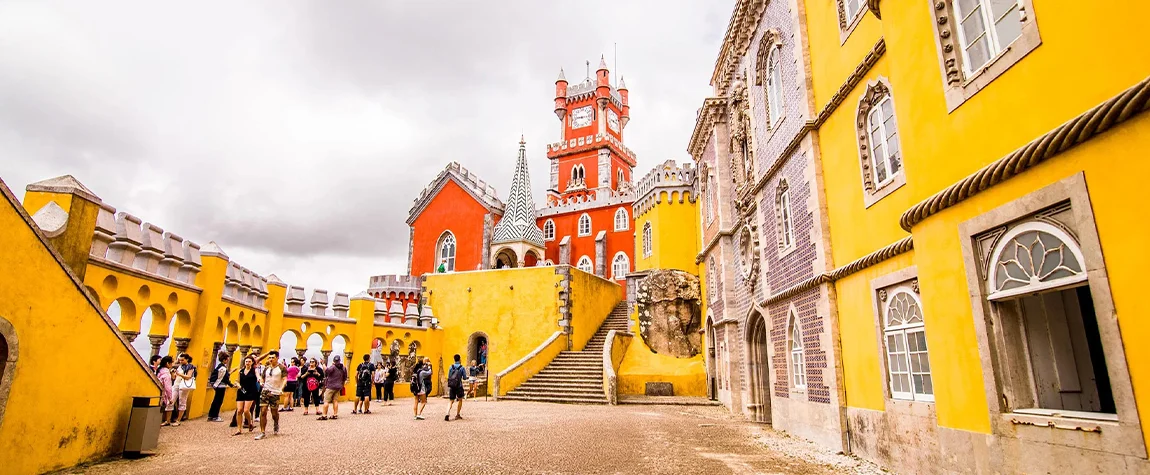
- Pena Palace: A hilltop palace with color and scenic views and romanticism.
- Quinta da Regaleira: A spiritual estate which is characterized by symbolic gardens, tunnels, and the Initiation Well.
- Moorish Castle: Prehistoric stone walls and panoramic vistas of the trees and the Atlantic Ocean.
b) Tips for Visiting Sintra
- Plan ahead to have less people: Morning tours are less busy and more enjoyable to visit.
- Booking in advance: This is a way of saving time, and will guarantee admission during busy travel times.
6: Days 5–6: Visit Porto

a) Best Things to Do in Porto
- Lagos to the beaches and cliffs: Spectacular coastline and blue waters.
- Albufeira as a nightlife: Resorts and entertainment.
- Port wine cellars: Guided tours in Vila Nova de Gaia.
b) Where to Stay in Porto
- Ribeira to watch: Accommodation at the Ribeira side of the river.
- Cedofeita to value: Trendy area with low-price hotels and restaurants.
7: Day 7: Douro Valley
a) Douro Valley Experiences
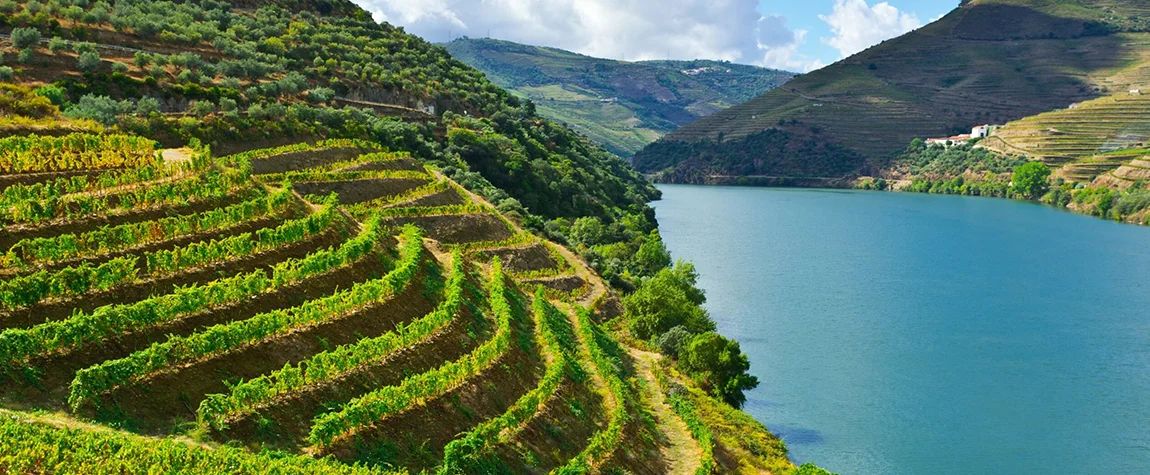
The Douro Valley is characterized by the terraced vineyards, river meanders and the ancient wine estates. Tourists will be able to have guided vineyard tours, wine tasting and traditional meals. Douro River cruise is a slow way of enjoying the scenery, and the train ride that runs across the scenic Porto is regarded as one of the most beautiful in Europe.
8: Days 8–10: Explore the Algarve

a) Best Towns in the Algarve
- Lagos as a beach and cliff destination: Rocky shoreline and blue oceans.
- Albufeira as a nightlife destination: Resort and entertainment.
- Tavira for relaxed charm: Traditional town with peaceful beaches.
b) Algarve Activities
- Sea Level Rise and Caves: Stroll scenic paths along sea shorelines.
- Boat excursion and kayaking: Vist grottoes and secret beaches.
- Surfing and beach relaxation: Suitable both to beginners and experienced surfers.
9: Optional Extensions (Days 11–14)
a) Coimbra
Coimbra is also known to be the home of one of the oldest universities in Europe that is as old as the 13th century. Tourists have access to its historical library, complex cloisters and ancient streets. The city is also the home of riverside walks, traditional Fado music, and student culture that adds the historical, architectural and local traditions to the travel experience.
b) Évora
Evora is a historical city of Rome, whitewashed houses, and medieval streets and a UNESCO World Heritage site. It is a small historic center, and one can explore landmarks such as the Temple of Diana and the Cathedral without any difficulties. The Alentejo area around is full of vineyards and traditional cuisine, so Évora can be the destination of every history lover and wine lover.
c) Azores
The Azores archipelago is a volcanic utopia of the Atlantic Ocean with crater lakes, thermal springs and fertile landscapes. The outdoor people are able to trail hike, sightsee in the geothermal regions and engage in whale and dolphin viewing. The group of islands is a relaxing, more natural substitute to the mainland Portugal, which is a mixture of adventure and spectacular scenic beauty.
d) Madeira
Madeira is a dramatic island of the cliffs, rocky coast and subtropical gardens. Mt. walks, panoramic sceneries and botanical gardens give the visitor enthralling levada walks. The island has a pleasant climate all year round and this has made it a perfect place to have outdoor activities, small villages, local markets, and beautiful ocean views that provide relaxation and cultural experiences.
10: Transportation Tips for Portugal

- City trains: Cities and major towns Connections.
- Car hire in Algarve and Douro Valley: More freedom in the areas of exploration.
- Budget domestic flights: It is applicable in extending the islands and long distances.
11: Where to Stay in Portugal

Hotels vs guesthouses: Hotels are full service, whereas guesthouses are local in nature, offer personal service and better value on longer stays.
Best areas by region:
- Lisbon: Baixa, Chiado, Alfama
- Porto: Ribeira, Cedofeita
- Algarve: Lagos, Tavira
Budget, mid-range, and luxury options
- Budget: Guest Houses and family guesthouses.
- Mid-range: Hotels in the city and mid-range.
- Luxury: Resorts and historic houses.
12: What to Eat in Portugal

- Bacalhau recipes: Salt cod cooked in a million different ways.
- Fresh fish: Seafood Grilled fish, octopus, and shellfish in the coastal areas.
- Portuguese wine and desserts: Portuguese wine and desserts are regional wines, which are served together with pastries and desserts.
Frequently Asked Questions
1. Is Portugal expensive to visit?
Portugal is not very expensive, particularly the food and accommodation.
2. Is Portugal safe for tourists?
Well, Portugal is always among the safest countries in Europe.
3. Do you need a car in Portugal?
It is not urban, but works well in rural areas and the coastal regions.
4. Is Portugal good for families?
Yes it has family friendly attractions, beaches and walkable cities.
5. Can you visit Portugal without speaking Portuguese?
Yes, tourist places have high English speaking.
Conclusion: Is This the Best Portugal Itinerary?
Whether you are planning a short vacation or an extended exploration, this Best itinerary for visiting Portugal suits both first-time visitors and returning travelers. It has a balanced tour of historic cities and wine country, a picturesque coastline and island escapes without any unneeded travel anxiety.
This Best itinerary to visit Portugal would not only be suitable to those who are visiting Portugal but also to those who are visiting the country repeatedly. In order to make your trip even more personal, Explore Our Portugal Packages to suit your pace, interests and travel objectives.