
© 2026 Go Kite Travel & Tours. All rights reserved.
The Top 7 Best Historical Places to Visit in Egypt
Explore the wonders of ancient Egypt with our list of the best historical places to visit. Immerse in the mysteries of the pyramids at Giza.
The historical places to visit in Egypt offer an extraordinary journey through time, and for travelers considering a cultural adventure, Egypt Historical Tour Packages provide an excellent way to explore this rich heritage right from the start. Egypt, often called the "Gift of the Nile," is full of history, mystery, and beauty. This is a place where mythical gods, ancient pharaohs, and timeless monuments have shaped a civilization that still fascinates tourists.
The Great Pyramids of Giza stand as the most iconic ancient sites in Egypt. Along with the Karnak Temple Complex, the Valley of the Kings, and the Abu Simbel Temples, these monumental structures invite exploration of the people who once thrived along the Nile. Close archaeological marvels include the Luxor Temple, the Philae Temple and the Temple of Horus, Edfu; each of which offers a different perspective into the ancient history of Egypt.
The Top 7 Best Historical Places to Visit in Egypt
1. What are the Great Pyramids of Giza?
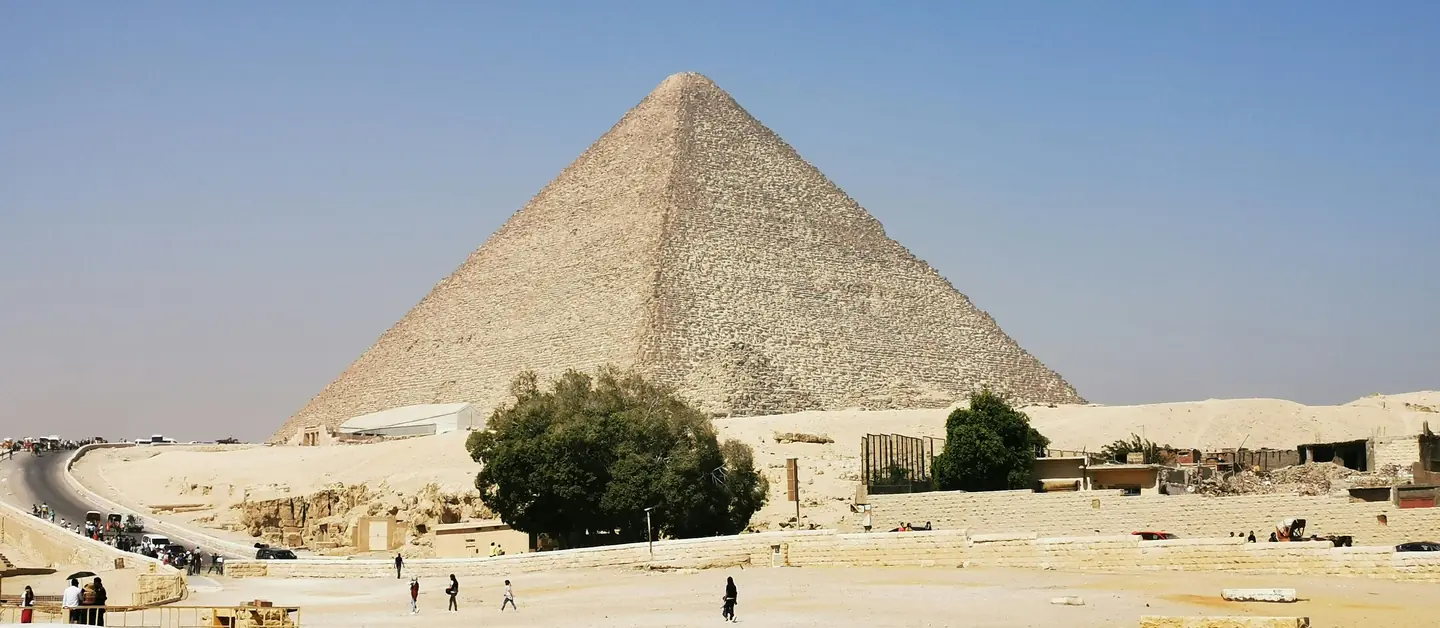
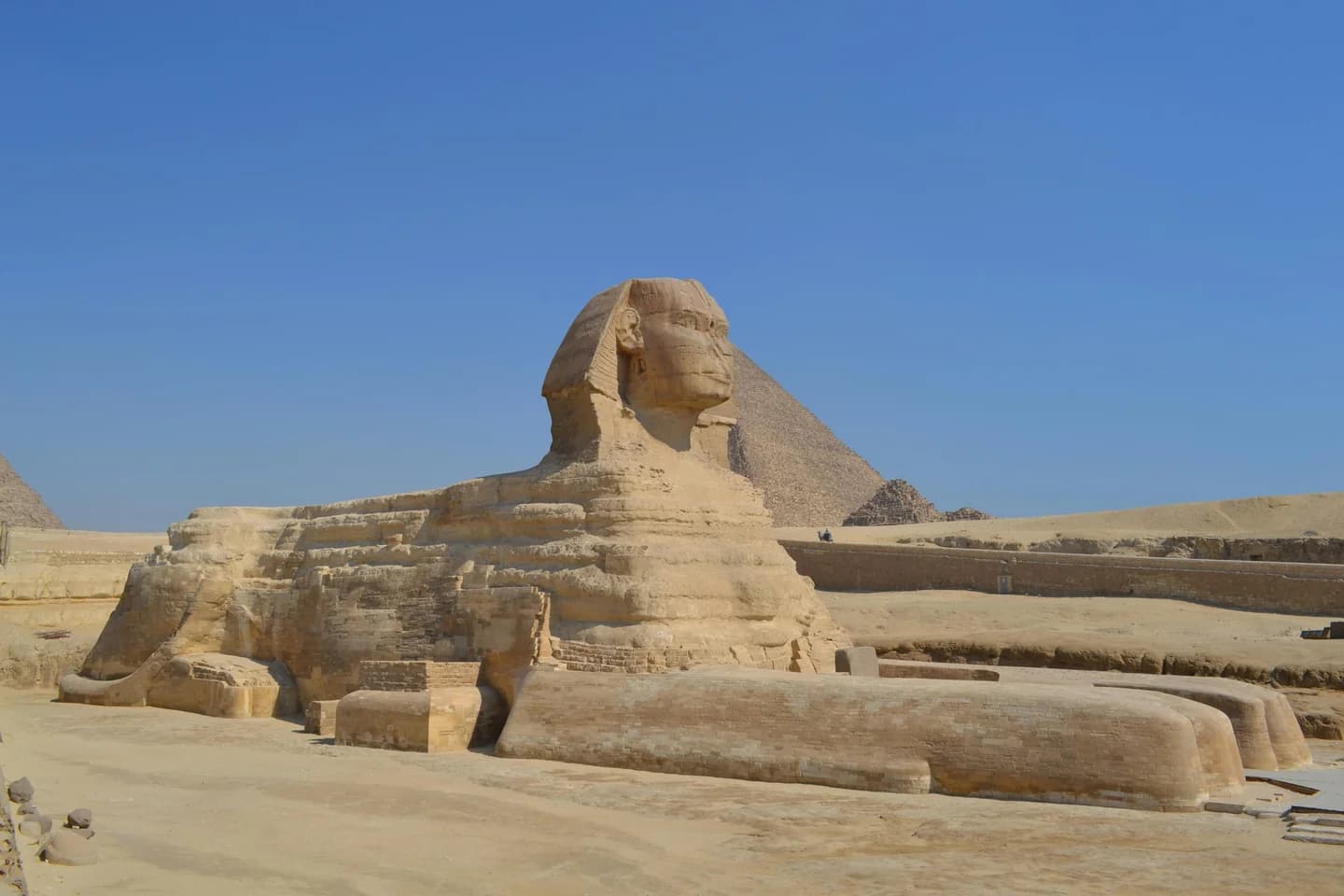
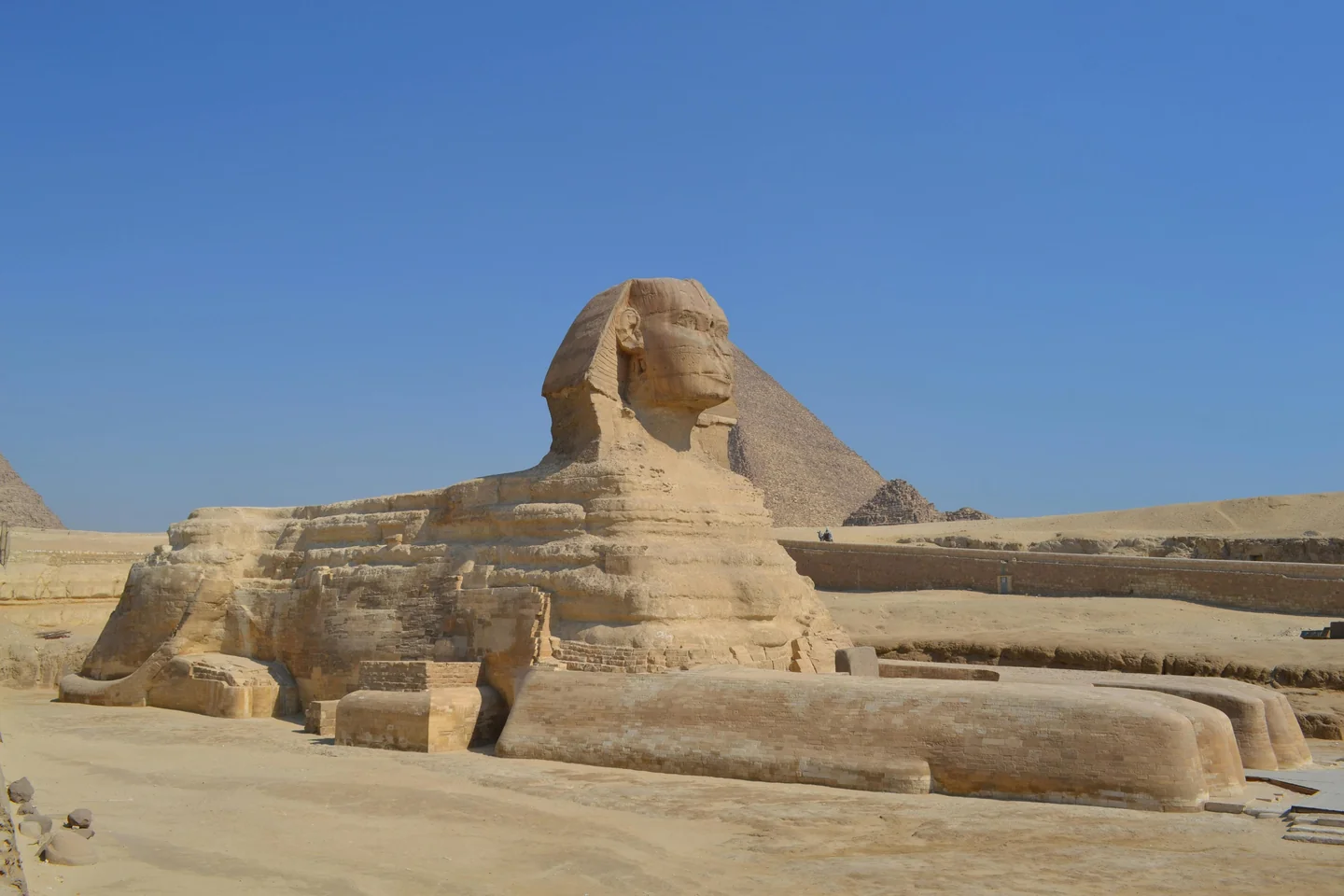
The Great Pyramids of Giza are one of the Seven Wonders of the Ancient World and should be included in the list of attractions of any visitor. They were constructed in the 4th Dynasty of the Old Kingdom over 4,500 years ago; these are the Pyramid of Khufu (Cheops), the Pyramid of Khafre and the Pyramid of Menkaure. The biggest pyramid was that of Khufu and was initially 146.6 meters, which is a great and accurate work of construction. The Great Sphinx was used to protect these pyramids and is a grand figure whose body is that of a lion and her head is of a king, an indication of the might and prowess of the ancient Egyptians.
2. Complex of Karnak Tеmplеs:
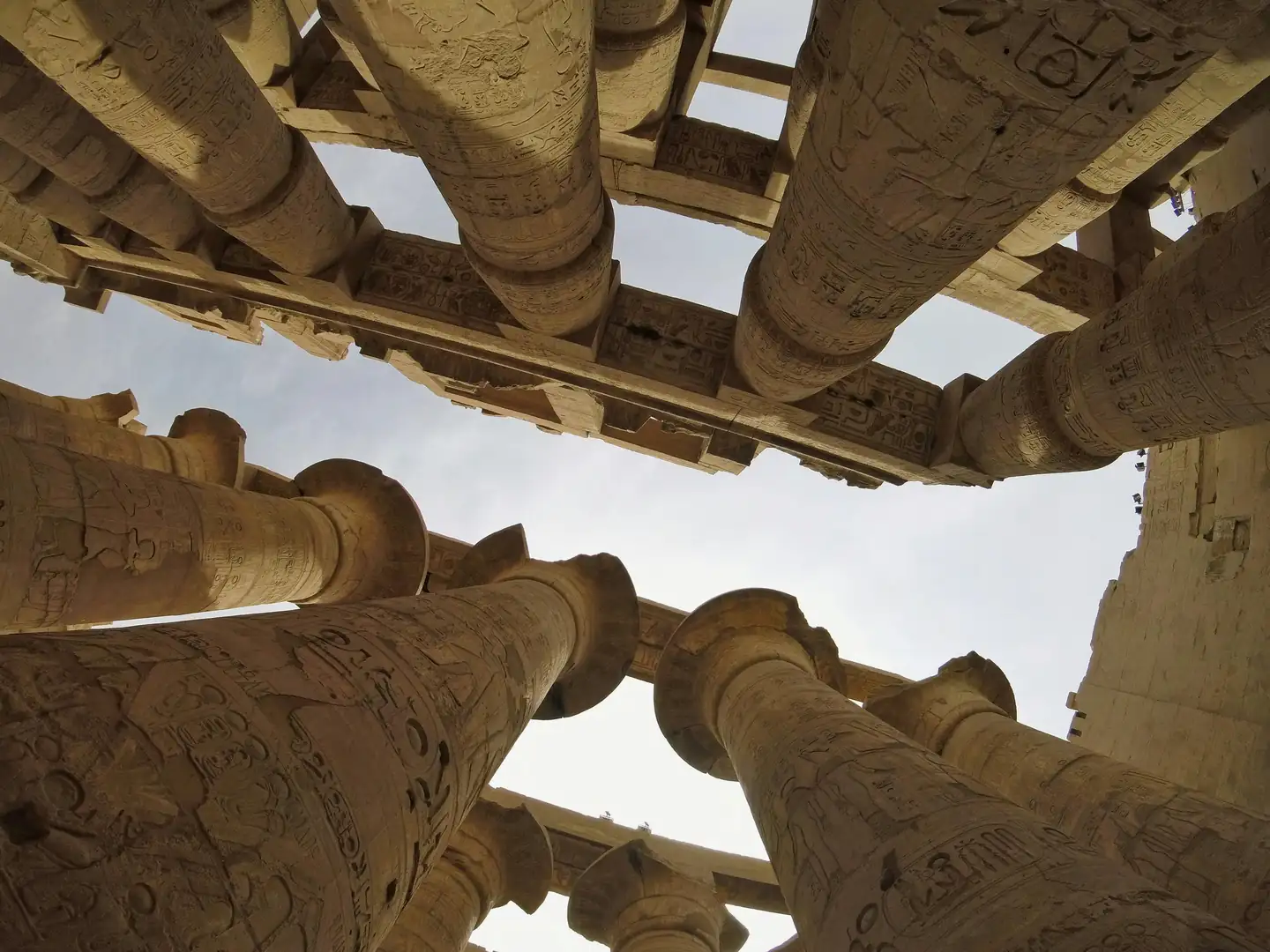
One of the most important temple complexes in the world is the Karnak Temple Complex in Luxor, which is a huge open-air museum it spans over 200 acres. It comprises of temples, chapels, pylons, and other constructions which are more than 2,000 years old. It is primarily a destination of the Temple of Amun-Ra that possess an enormous entrance, and was guarded by ramsphinx with their faces. The Hypostyle Hall is characterized by a forest of tall columns with complex carvings and religious frescoes, giving an idea about the religious art in ancient Egypt.
3. The Valley of the Kings:

The Valley of the Kings is situated inside the west bank of the Nile, and it is the burial ground of several pharaohs and nobles that lived during the period of the New Kingdom (around 16 th -11 th century BCE). It became famous all over the world when the tomb of the Tutankhamun was discovered by Howard Carter in 1922. The tombs of the valley are densely decorated with drawings, hieroglyphs and depiction of the way to the afterlife giving all kinds of interesting stories about those people who were laid there.
4. Tеmplеs at Abu Simbеl:

The Abu Simbel Temples, built by Pharaoh Ramesses II in the 13th century BCE, are monumental rock temples near Egypt’s border with Sudan. These colossal statues honor gods such as Amun and Ra-Horakhty and famously include four giant statues of Ramesses II standing guard at the entrance. Interestingly, these temples have been moved later in the 1960s to curb flooding that would otherwise have occurred due to the building of the Lake Nasser. Nowadays,Egypt holiday Packages from Dubai facilitate visiting this great works of engineering and historical place.
5. Tеmplе of Luxor:
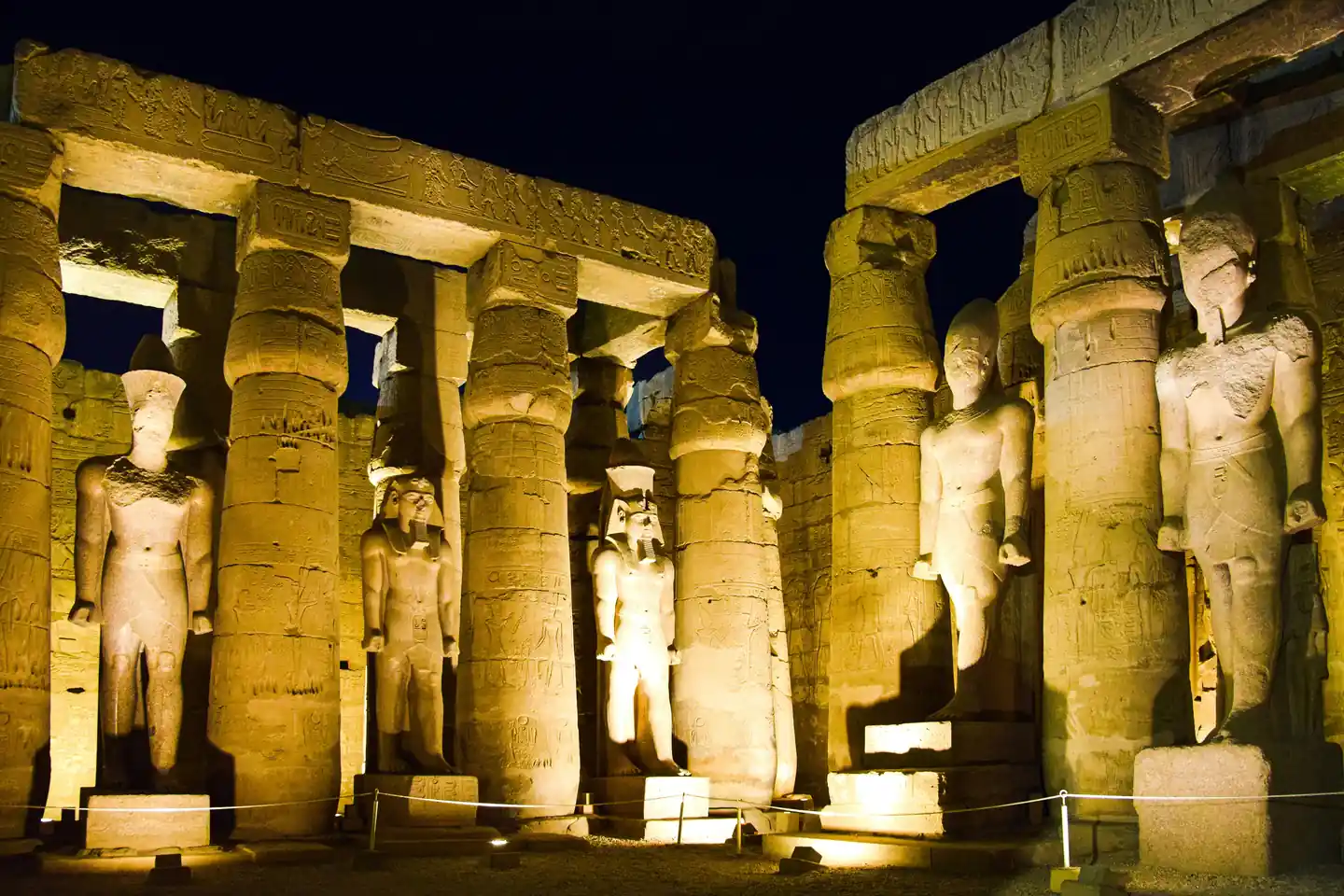
The Luxor Temple is a magnificent architectural mixture of the ancient Egyptian and Greco-Roman styles and it is situated in the centre of modern Luxor. It was constructed mainly in the New Kingdom, and it was devoted to the god Amun and restoration of kingship. Tourists will be able to marvel at the legendary sphinx avenue, statues of Ramesses II, and the towering design of the temple which was developed under the influences of many leaders, such as Alexander the Great and the Romans. Exploring Ancient Egypt through this site reveals many layers of history and cultural transformations.
6. Examples of Philae:
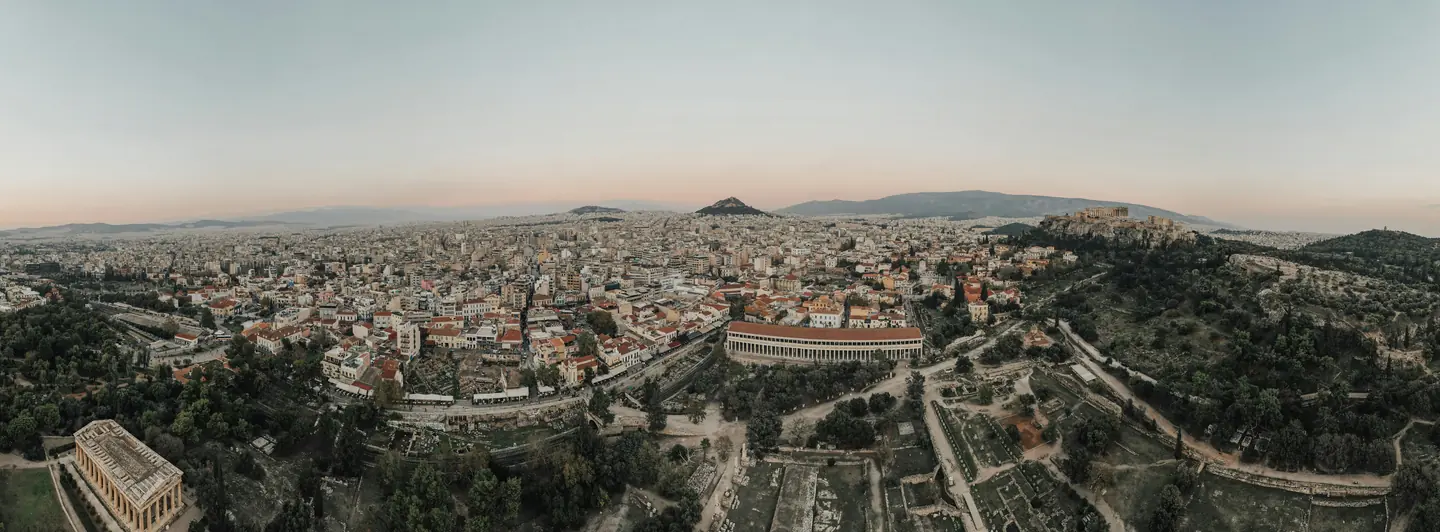
Philae Temple complex is a gorgeous illustration of the early religious buildings of the Egyptian kingdom built on an Island near Aswan. It was the shrine of the goddess Isis and the last bastion of the ancient Egyptian religion during the Roman times. The venue was so meticulously transferred to the adjacent island of Agilkia because of the building of the Aswan High Dam to avoid flooding. The temple walls feature exquisite paintings and carvings, offering insights into Egyptian mythology and folklore.
7. What is the example of Horus at Edfu?
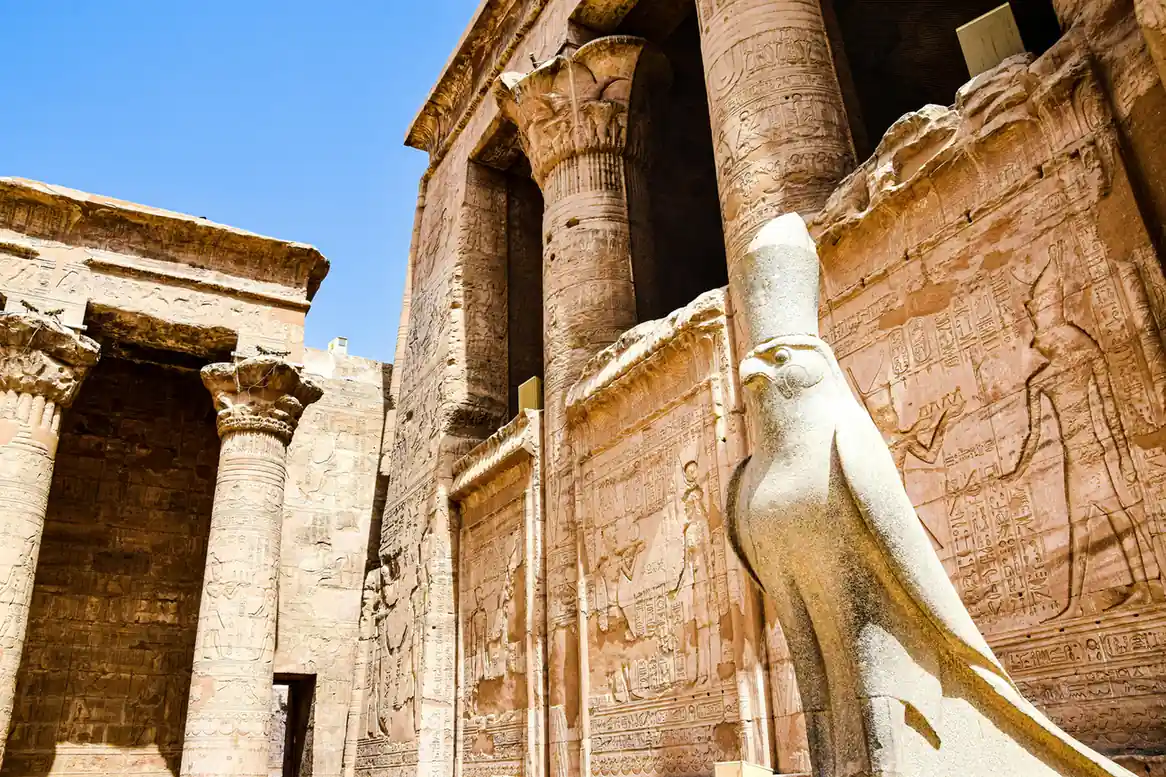
One of the most well-preserved ancient Egyptian temples is the Temple of Horus at Edfu (which was constructed during the Ptolemaic Era, 23757 BCE). The temple is devoted to the falcon-headed god, Horus, and is designed in Greek-Egyptian architecture with a lot of reliefs and hieroglyphs. The pylons and gardens are in good condition and the visitors can enjoy artistic and architectural accomplishments of this era. The Tale of Horus tells us a lot about the Egyptian religion and the law in the Ptolemies. Tourist Attractions in Egypt like this temple offer compelling cultural experiences.
Conclusion
The historical sites in Egypt are not only about sightseeing, they are also an experience with a connection that is rich with history of civilizations. The great pyramids of Giza, Karnak Temple Complex, valleys of the kings, Abu Simbel Temples, Luxor Temple and Philae Temple and the Temple of Horus are some of the places that every tourist needs to visit. Whether you're marveling at the timeless pyramids or wandering through temples dedicated to gods and pharaohs, these sites tell stories of ancient cultures. Before you go, it's valuable to read Need to Know Before Visiting Egypt to prepare for your adventure. Be sure to Book Your Egypt History Tour to create memories that last a lifetime and explore this wondrous land with ease.