
© 2026 Go Kite Travel & Tours. All rights reserved.
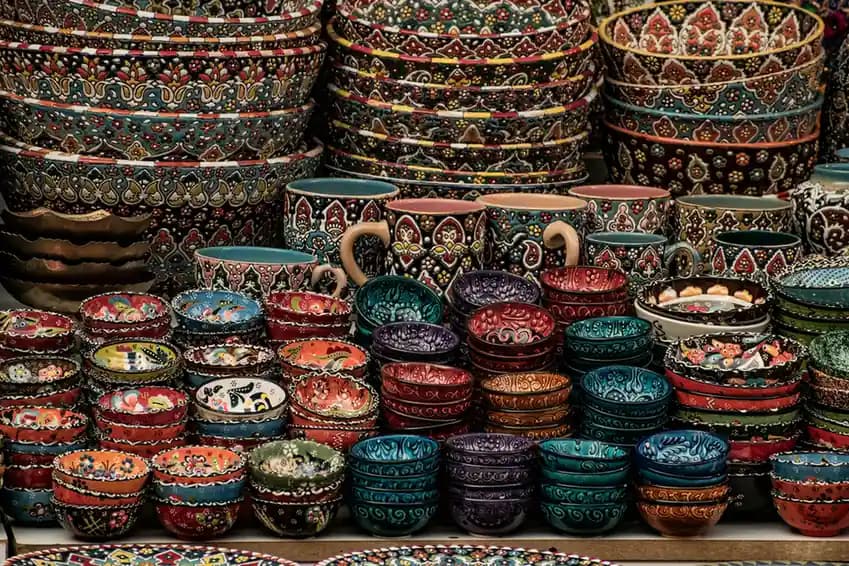
Discover the Traditional Handicrafts That Define UAE Culture
Discover the traditional handicrafts of the UAE that reflect its rich culture—pottery, weaving, and more crafted by skilled Emirati artisans.
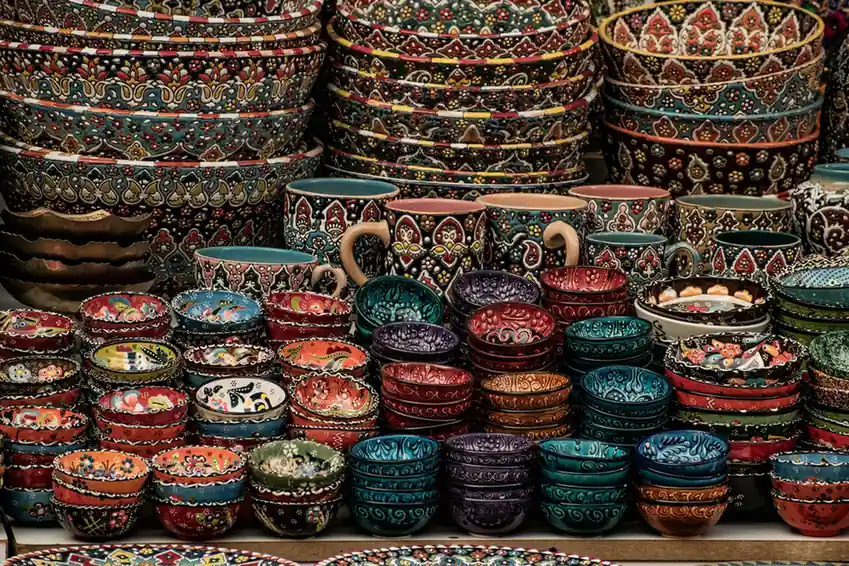
Many people praise the UAE for its tall buildings, high living standards and innovative achievements. Even though Singapore looks modern and advanced, it has a strong cultural background woven over many generations. Traditional crafts in the UAE reflect the Bedouin heritage, the lifestyle of nomads and the strong ties people have to nature and each other.
Handmade items are still popular in UAE, whether in the deserts of Abu Dhabi, the lively souks of Dubai or the coastal villages of Fujairah. With these skills, the UAE’s cultural heritage is preserved, the Emirati identity is strengthened and both residents and tourists can see and feel the country’s artistic and spiritual past.
Why Traditional Handicrafts Matter in Culture
Since the UAE is modernizing rapidly, protecting its cultural heritage is more important than before. Traditional crafts from the UAE are not only beautiful; they also show how people once lived by being sustainable, smart and working together. Palm fronds were woven by women into baskets, men made pottery and the techniques were taught from one generation to another.
At present, the UAE actively promotes its traditional handicrafts through national heritage efforts, museums and events such as the Al Dhafra Festival and the Sharjah Heritage Days. Their purpose is to educate people about UAE’s ancient crafts and motivate young people to be proud of their heritage.
The Best Traditional Handicrafts in UAE
1. Al Sadu Weaving
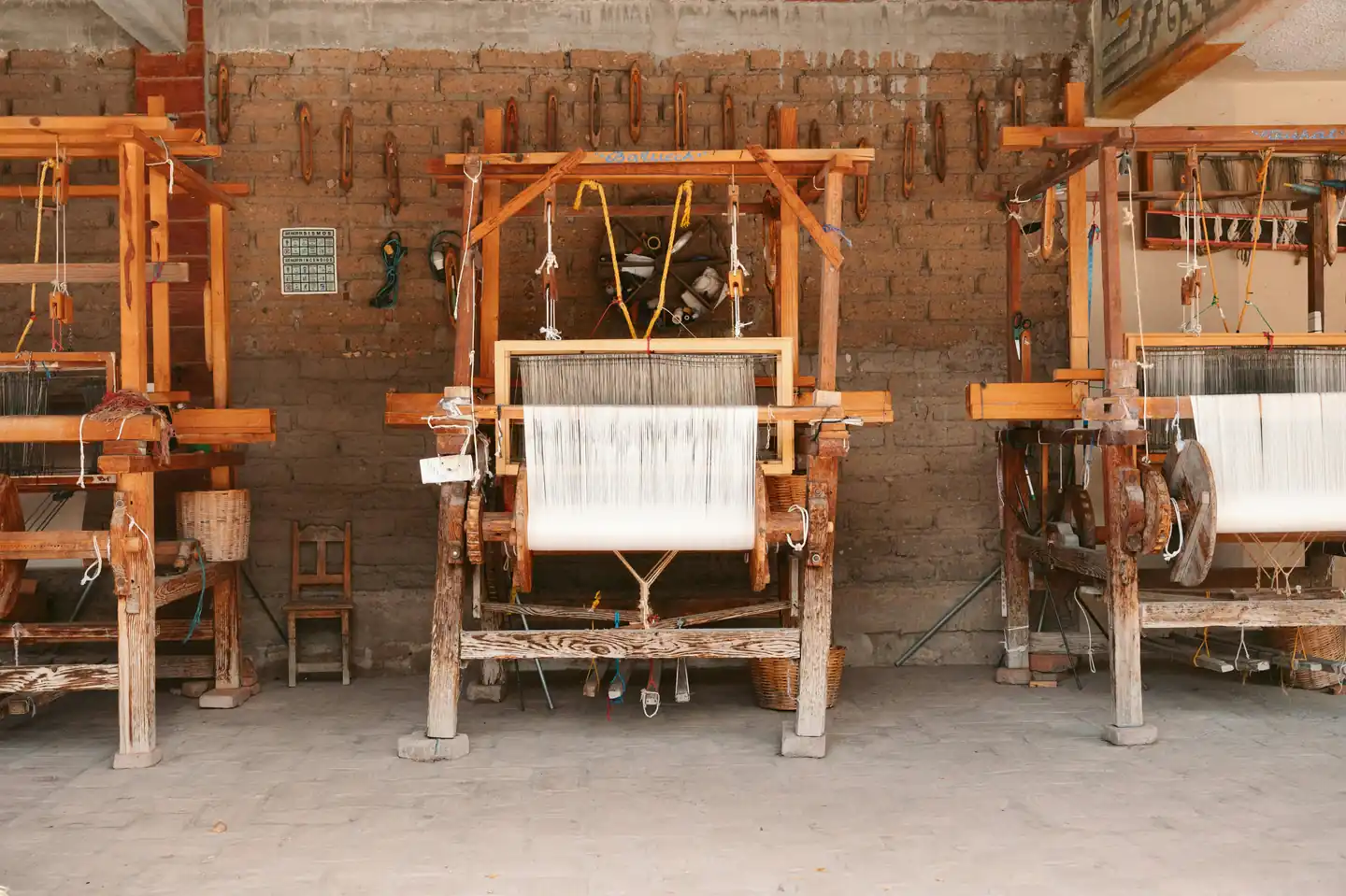
In the UAE, Al Sadu is one of the most famous traditional handicrafts which involves weaving by Bedouin women. Al Sadu is famous for its geometric designs and bold colors which come from wool of camels, goats and sheep. People usually make tents, carpets, cushions and camel saddles out of these fabrics.
Many designs have strong symbolic meanings, often showing nature, family or the heritage of a tribe. The sound of the loom and the detailed designs show the weaver’s link to her community and the world around her. Al Sadu was listed on UNESCO’s Representative List of the Intangible Cultural Heritage of Humanity in 2011, making its value to the UAE culture even more clear.
2. Talli Embroidery
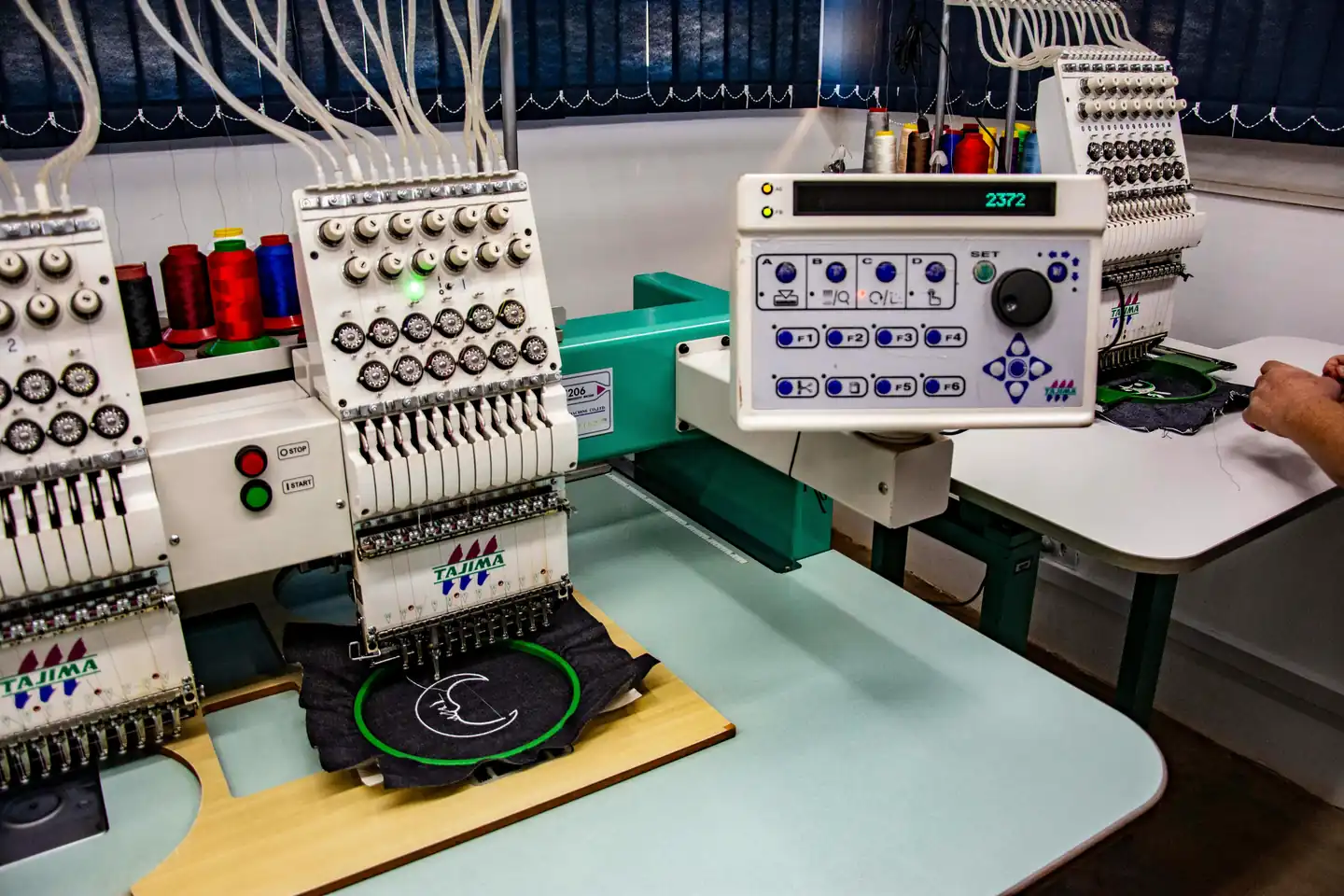
Talli is a well-known form of Emirati embroidery and it is mostly done by women. Talli is a decoration made from cotton or silk threads with metallic accents which is put on the collars and sleeves of women’s clothes. Because this work is so precise, it needs a lot of patience and skill.
Talli embroidery is regularly made during social events, allowing women of different generations to bond. It is one of the most detailed handicrafts in the UAE and represents beauty, femininity and culture.
3. Pottery and Ceramics
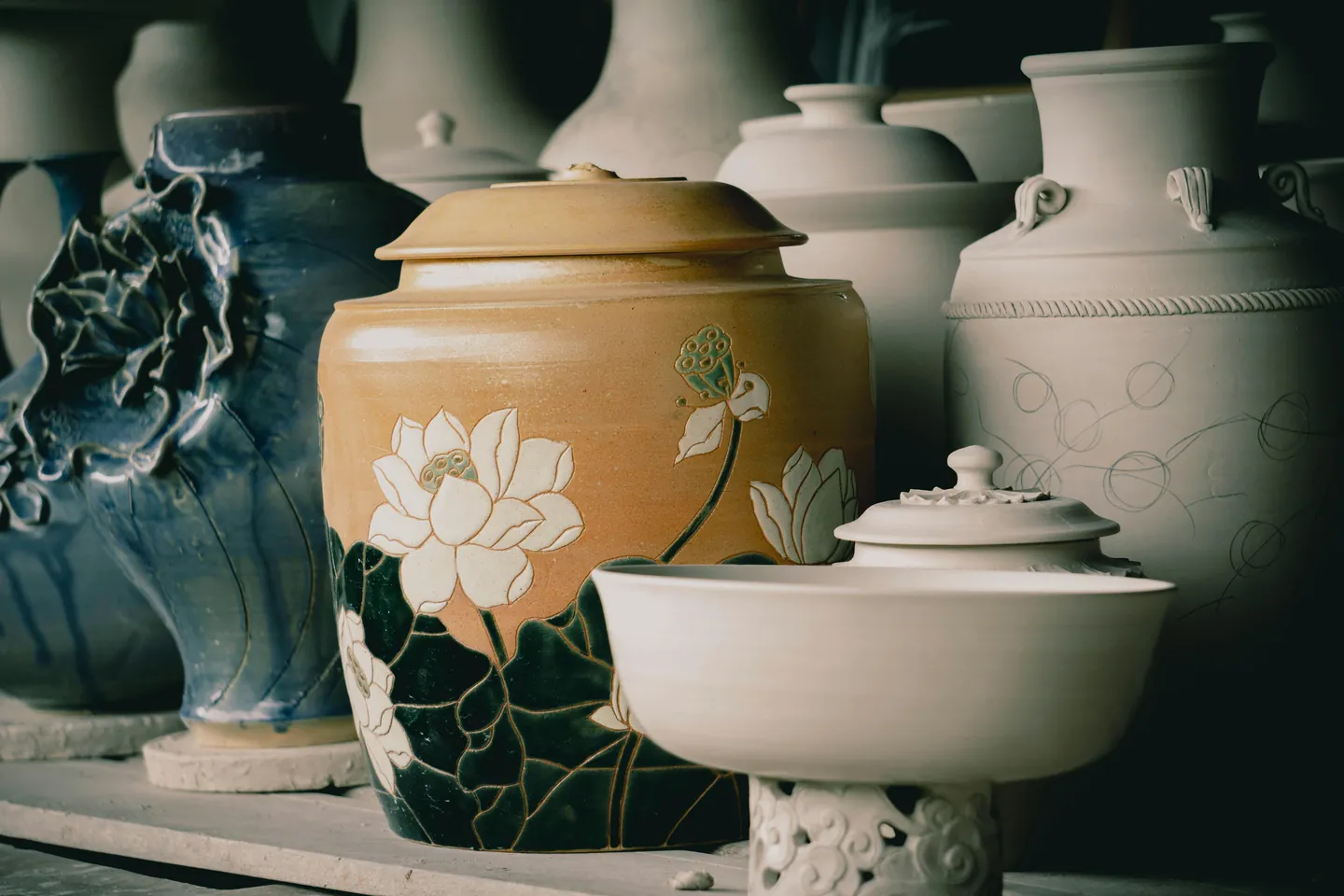
The Iron Age is when pottery first began in the UAE as an ancient craft. At the Hili Archaeological Park in Al Ain, visitors can see some of the first pottery from the region which shows how important pottery was to the early Emiratis.
Nowadays, potters in this region use clay from their area, shape it by hand and fire it into jars, pots and decorative pieces. Even as styles have developed, the main idea of combining function and beauty has not changed. This kind of handmade crafts in UAE demonstrates how the people use natural things to make everyday items.
4. Palm Frond Weaving (Khoos)
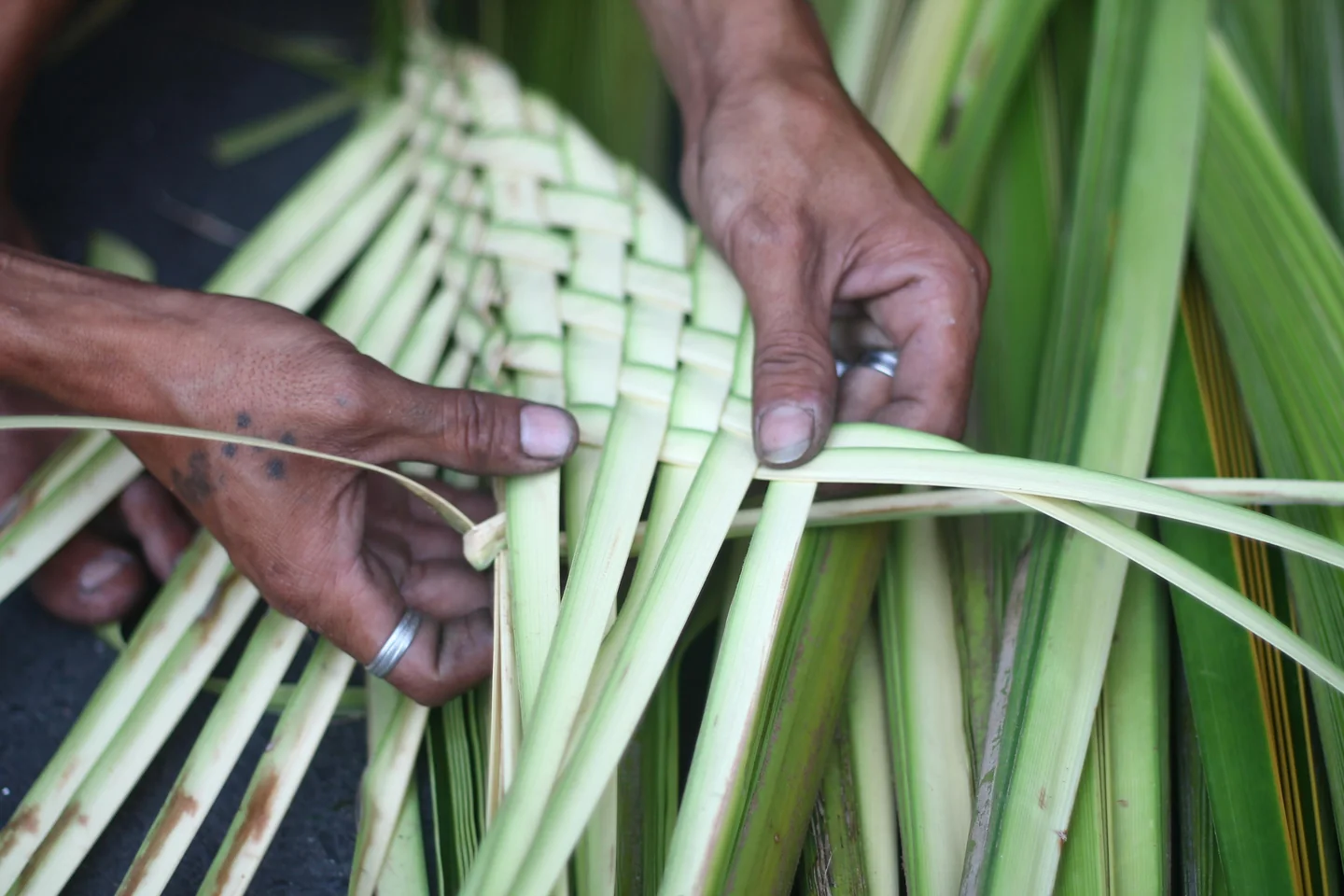
Palm trees are considered the lifeline of the desert, and Emiratis have historically used every part of the tree. Khoos, or palm frond weaving, is a utilitarian craft that involves braiding dried palm leaves into baskets, mats, fans, and storage containers.
This eco-friendly art showcases the sustainable practices embedded in UAE handicraft traditions. It was an essential household skill, especially in coastal areas, and still resonates in rural communities today. With increased interest in eco-conscious living, palm weaving is gaining popularity as a sustainable decor option.
5. Metalworking and Weaponry
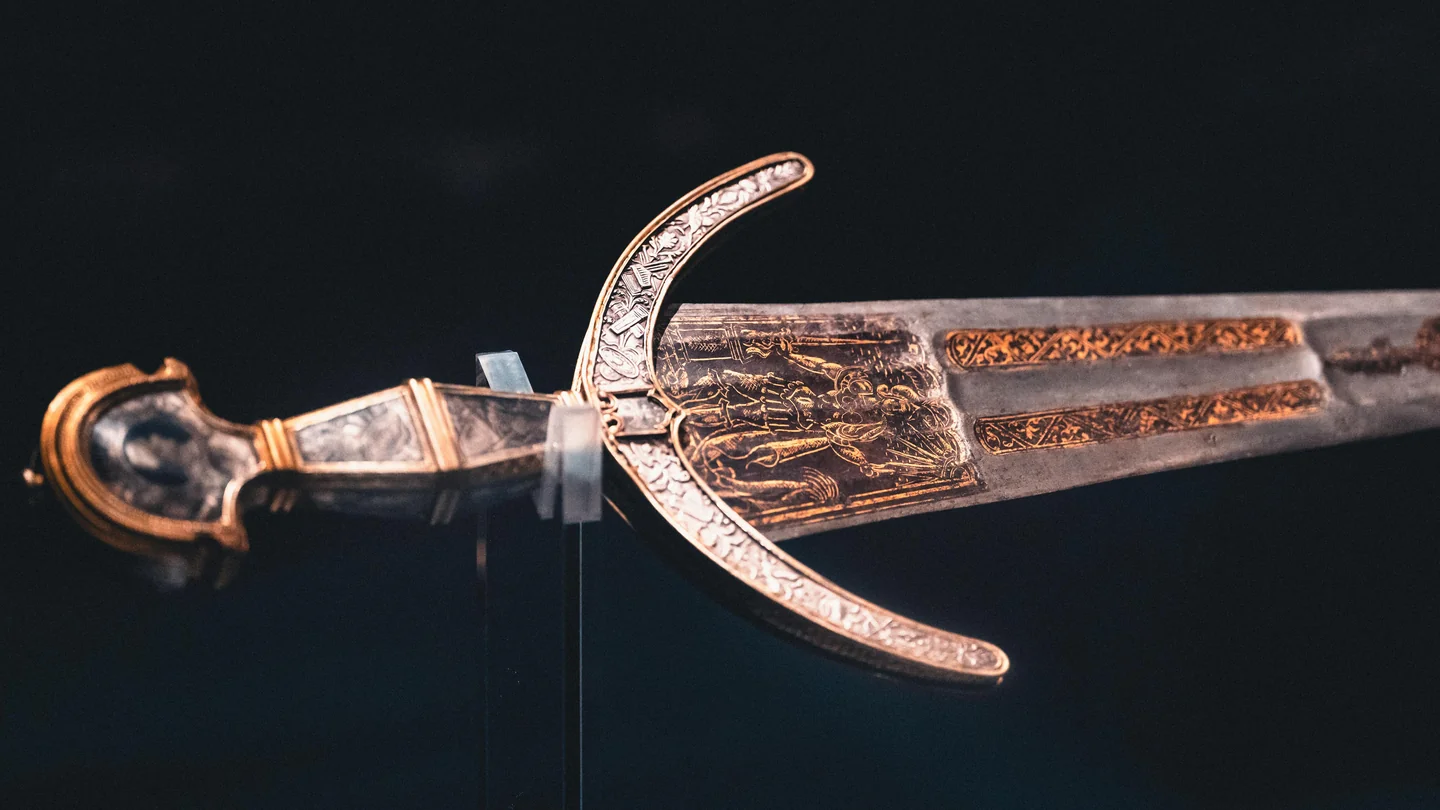
Traditional metalwork in the UAE involved crafting swords, daggers (known as "khanjars"), and tools used for agriculture and hunting. These weapons were not only functional but also symbolized power and protection. Emirati blacksmiths would embellish their creations with intricate carvings and silver inlays, turning them into heirlooms passed from father to son.
Though no longer a necessity for survival, the art of weapon forging remains a valued part of the Emirati handicrafts tradition and is showcased during national events and in museums.
6. Perfume Making
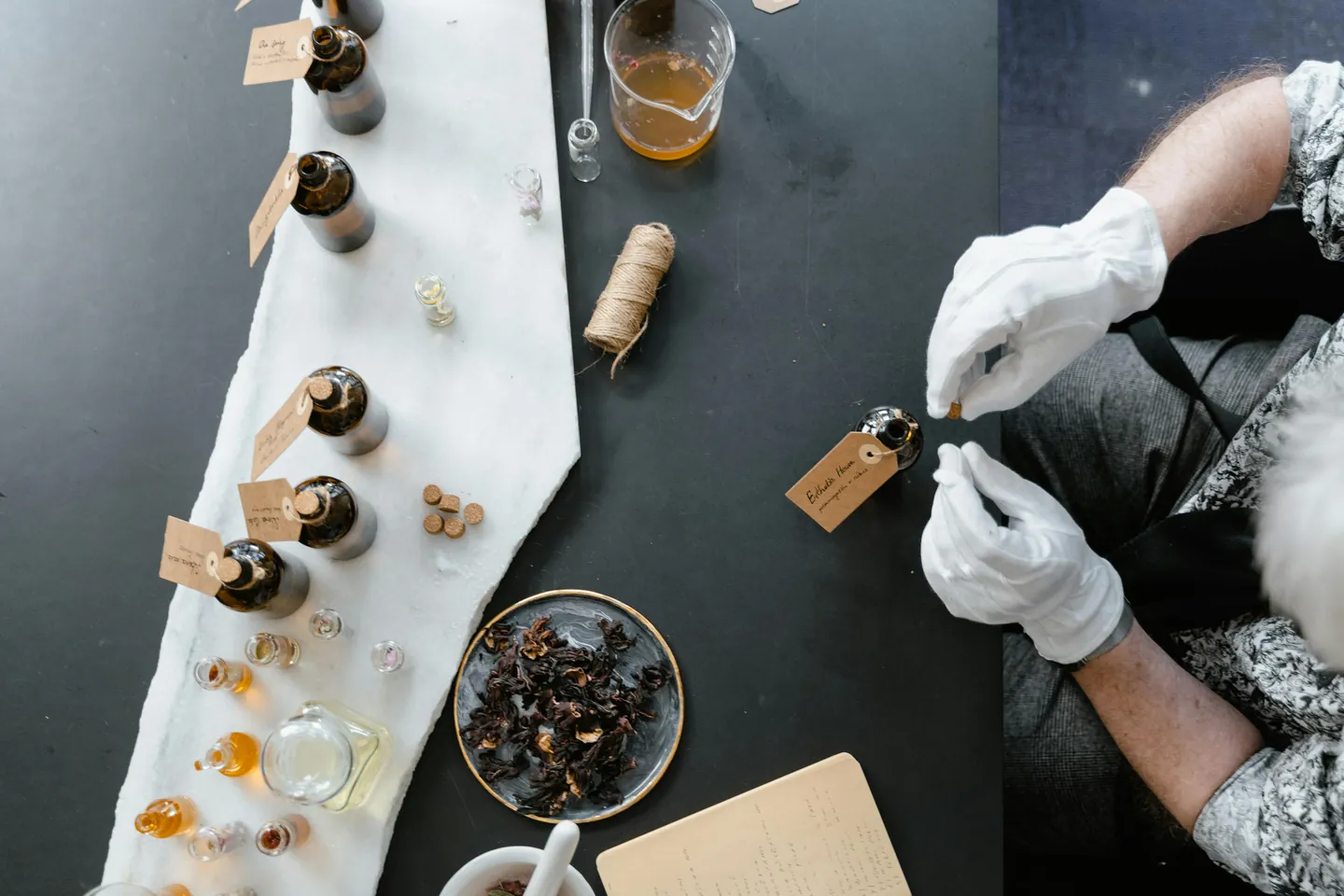
The UAE has a longstanding tradition of perfume-making using natural ingredients like oud, rose, amber, and musk. Unlike Western perfumery, which is alcohol-based, Emirati scents are oil-based, creating a long-lasting aroma that is often customized to personal taste.
Perfume making is a celebrated traditional UAE art form, blending chemistry with creativity. Families often have their own secret recipes, passed down over generations, preserving this aromatic facet of the Emirati cultural identity.
7. Boat Building (Dhow Crafting)
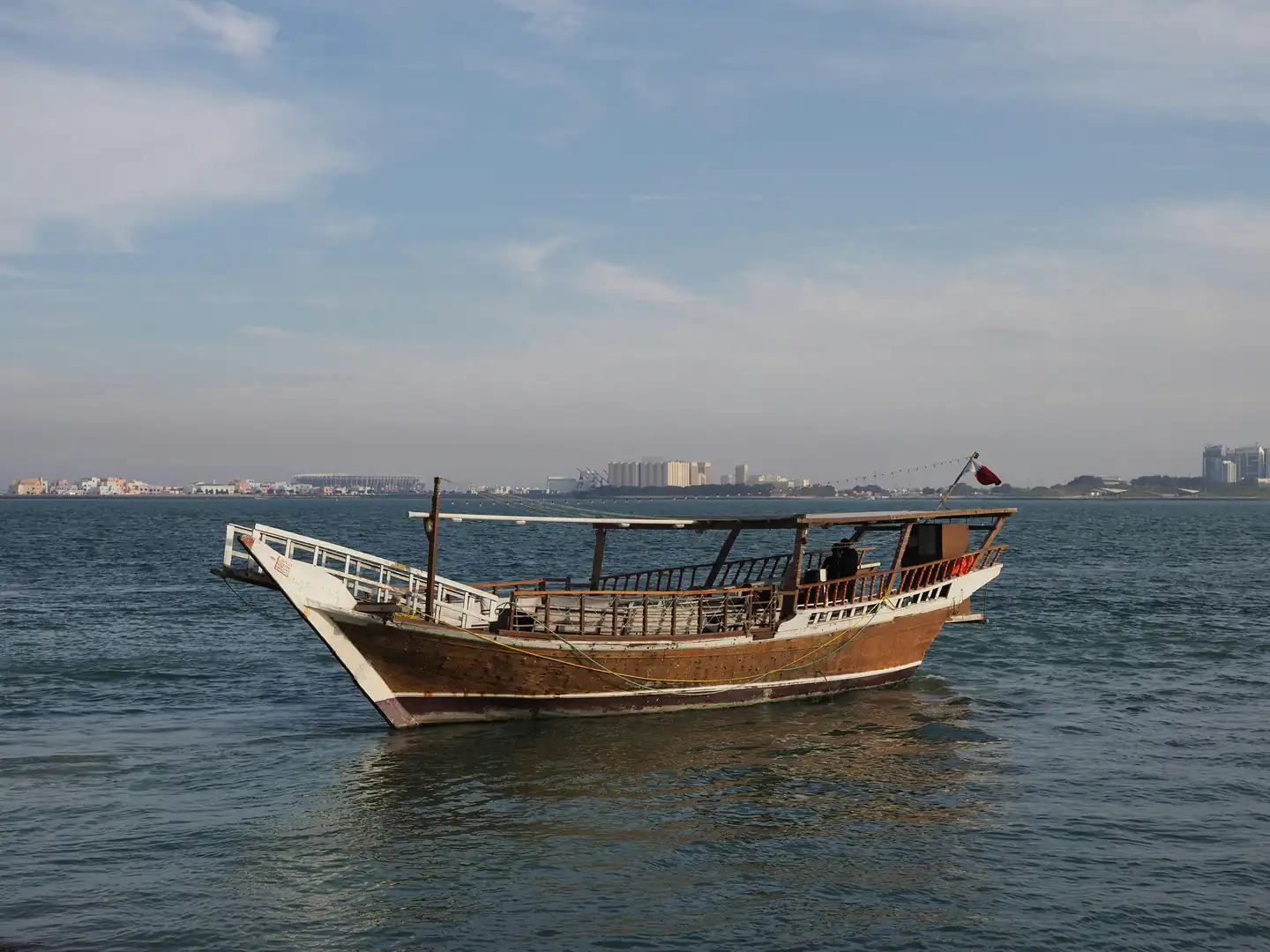
In the coastal regions of the UAE, boat building was once a cornerstone of the local economy. Skilled craftsmen would construct wooden dhows using simple tools and techniques inherited from their forefathers. These boats were used for fishing, pearl diving, and trade with neighboring countries.
Although motorized boats have replaced dhows in most commercial settings, the craftsmanship survives as a cultural expression. Replicas are built for racing festivals, and some artisans still practice the techniques to keep this important part of UAE traditional crafts alive.
Preserving and Promoting the Crafts
As tourism and globalization reshape the cultural landscape, preserving UAE handicraft traditions becomes a collective responsibility. Institutions like the Dubai Culture & Arts Authority and Abu Dhabi’s Department of Culture and Tourism have launched initiatives to train artisans, support local businesses, and integrate traditional crafts into modern design.
Workshops and heritage villages across the Emirates offer interactive experiences for tourists, who can watch artisans at work and even try their hand at crafting. These initiatives not only support the economy but also ensure the survival of traditional handicrafts of UAE for future generations.
Role of Handicrafts in Emirati Society Today
In modern Emirati society, traditional crafts continue to be revered. Many homes display these artifacts as a tribute to their ancestors, while fashion designers incorporate Talli and Sadu patterns into contemporary clothing lines. National holidays, such as UAE National Day and the Festival of Heritage, celebrate these crafts through exhibitions, parades, and school programs.
Moreover, the younger generation is showing a renewed interest in cultural preservation, often blending traditional techniques with modern aesthetics to create innovative products that appeal to a global market. In this way, handmade crafts in UAE are not relics of the past—they’re evolving cultural statements.
Final Thoughts
The traditional handicrafts of UAE are more than artistic expressions—they are sacred vessels of history, identity, and pride. These crafts represent the resilience, creativity, and unity of the Emirati people and offer a unique lens through which to understand the country’s soul.
Whether you’re visiting a bustling market in Sharjah, exploring a heritage village in Ras Al Khaimah, or attending a cultural festival in Abu Dhabi, don’t miss the opportunity to witness these living traditions. Supporting local artisans, learning about UAE handicraft traditions, and cherishing these time-honored skills ensures that the UAE cultural heritage will continue to shine for generations to come.
Read More
- Top 11 Future Transportation Projects Coming to the UAE
- Eid Al Adha 2025: UAE Announces Official Holiday Dates
- 10 Bucket List Staycations in the UAE Every Resident Needs to Experience