
© 2026 Go Kite Travel & Tours. All rights reserved.
What Should You Know Before Planning a Trip to Ireland?
What should you know before planning a trip to Ireland? Learn travel tips, weather, culture, transport, and essentials.
Planning a Trip to Ireland is an exciting experience filled with dreams of rolling green hills, dramatic coastline, vibrant pubs, and ancient history. Ireland is also referred to as the Emerald Island and it is one of the countries that attract tourists due to its natural beauty, strong culture, and friendly hospitality. But in order to maximize on your trip, it is always good to know the most ideal time to travel, the weather, modes of transport, local culture and other necessary expenses before you settle on your itinerary. It does not matter whether you are coming there first time or coming to see more, the right preparation helps you to enjoy a nice and comfortable holiday. Ireland Holiday Packages are also preferred by many travelers to make the process of planning easier and experience a well-organized traveling session.
Everything You Need to Know Before Planning a Trip to Ireland
1: Best Time to Visit Ireland
One of the most significant tasks in Planning a Trip to Ireland is the choice of the season as weather, the number of people, and prices differ greatly depending on the time of the year.
a) Summer (June–August)
Summer is the most popular time to visit Ireland which is the warmest season and the most extended period of the day. Outdoor activities like hiking, coastal drives, national parks and others are ideal in this season. Fests, music shows and cultural festivities make big cities and small towns vibrant.
However, summer is also peak tourist season. Accommodations, attractions, and transportation will be priced higher and the well-known landmarks such as the Cliffs of Moher and the Ring of Kerry will be overcrowded. The months require advance bookings in case you intend to travel during the months.
b) Shoulder Season (April–May & September–October)
The shoulder season is usually regarded as the most favorable period of traveling by people requiring the balance. The Irish climate in these months is mild and the weather is perfect to engage in sightseeing, walk tours and exploring the countryside. Tourists are few and the attractions are not crowded as well as accommodation is usually cheaper.
To the Trip to Ireland on a moderate budget, the shoulder season gives them a great combination of cheapness, comfort, and true travel without losing excessive daylight or ease of access.
c) Winter (November–March)
The winter is the least favorite season of tourism in Ireland, however, it has its charm. The travel rates are cheapest and it is attractive to low-end travelers. Dublin, Galway, and Cork are some of the cities that have a warm ambiance with light decorations, pubs, and cultural festivals.
With this said, winter has shorter days, lower temperatures, and increased rain. Certain natural sites in the countryside and coastal roads can be shut down or be restricted. The winter season is one that favors the tourist who would be interested in urban experiences as opposed to exploring the vast countryside.
2: Weather and Packing Essentials
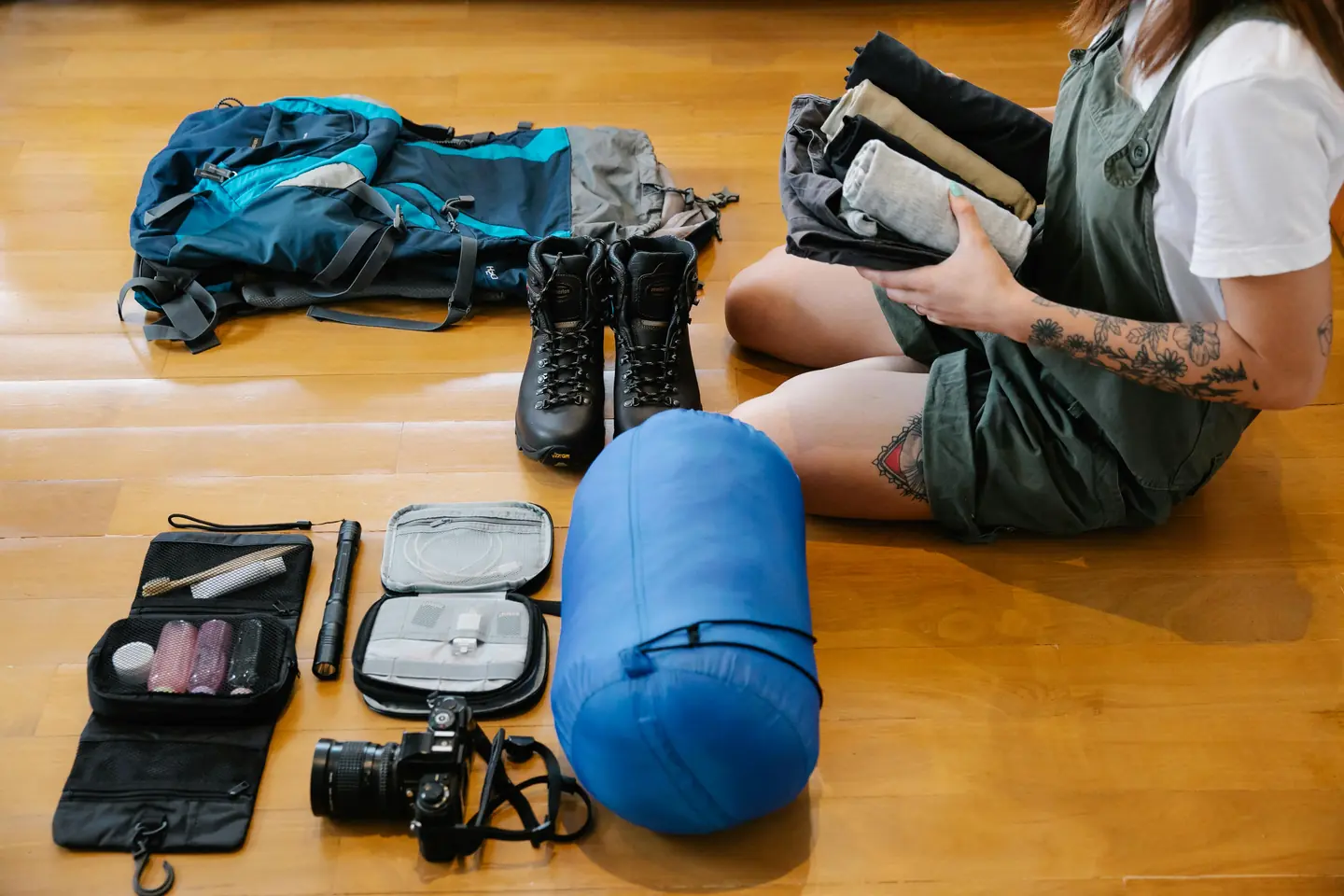
When Planning a Trip to Ireland, it is necessary to understand the climate of Ireland since the weather changes quickly.
a) Understanding the Weather
Ireland is a mild maritime climate with the Atlantic Ocean. Though the extreme temperatures are uncommon, rainfall may fall throughout the year. An early morning sun may soon change to a rainy afternoon and therefore it is important to be flexible when scheduling day to day activities. Luckily, rains are mostly light and intermittent and not sustained.
b) What to Pack
Smart packing will make travelling much easier. Among the things to carry are a jacket that is waterproof in order to deal with unexpected rain and comfortable walking shoes that would fit the cobblestone streets and nature paths. Thick clothes are much advisable because the weather can change during the day. A Type G power adapter (the same as in the UK) to charge your devices is not to be forgotten.
3: Transportation and Getting Around
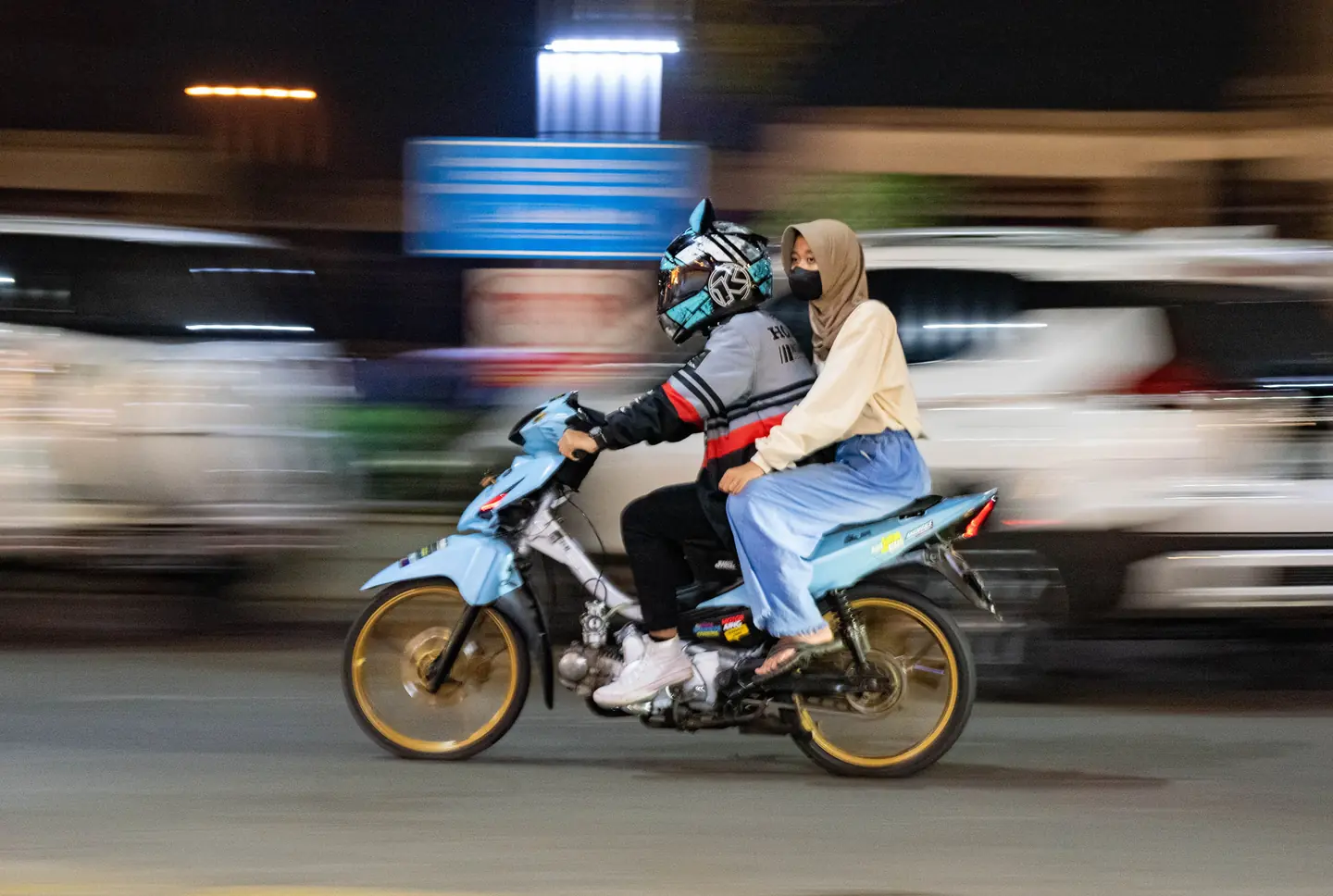
Your itinerary and speed of travelling in Ireland is highly dependent on your transportation decisions when Planning a Trip to Ireland.
a) Driving in Ireland
One of the most effective methods to travel in Ireland is to rent a car and see the countryside of the country, picturesque coastal roads, and small towns. Remember that left-hand road driving is the norm in the country, and it might require some time before some of the travelers get used to it. Rural roads can be narrow and meandering, so renting a small car is often less stressful and easier to drive.
b) Public Transportation
Ireland has a good transport infrastructure which links the large cities and towns by train and bus. This would be suitable when the traveler is in an urban setting like Dublin, Galway, and Cork. Nevertheless, the public transport might not cover locations that are further and therefore not so appropriate when an individual wants to explore the rural areas extensively.
4: Money, Costs, and Tipping

Knowing the local costs will help you have attainable goals in setting your travel budget.
a) Currency and Payments
Ireland uses the Euro (E) as the official currency. The use of credit and debit cards is very common nationwide such as in hotels, restaurants, shops, and the transport. Contactless payments are highly prevalent even in making small purchases.
b) Travel Costs
Ireland is fairly costly relative to the other European locations. The expenses of accommodation and dining, particularly at large cities and during the high season, can be accumulated very easily. Early flight, hotel, and attractions booking is among the most effective strategies of controlling costs and getting more favorable prices.
c) Tipping Etiquette
In Ireland, tipping is not a mandatory thing but it is valued as good service. At the restaurants, a tip between 10 and 15 percent is the norm in case the service is satisfactory. In pubs, less tipping takes place except where there is table service.
5: Culture, Customs, and Etiquette

Exploring local culture will add a better experience to the whole experience and will make you relate more with the destination.
a) Social Norms
Irish people are sociable, polite and welcome people. Small talk and jokes are the norm and visitors are usually made to feel like home fast. Such minor niceties as thank you and please can do wonders.
b) Pub Culture
The pubs form a core part of the social life of the Irish and are not merely drinking places. They are accumulating areas in which the locals and visitors can have conversations, live music and community events. The common traditional music sessions provide a traditional cultural experience.
c) Language
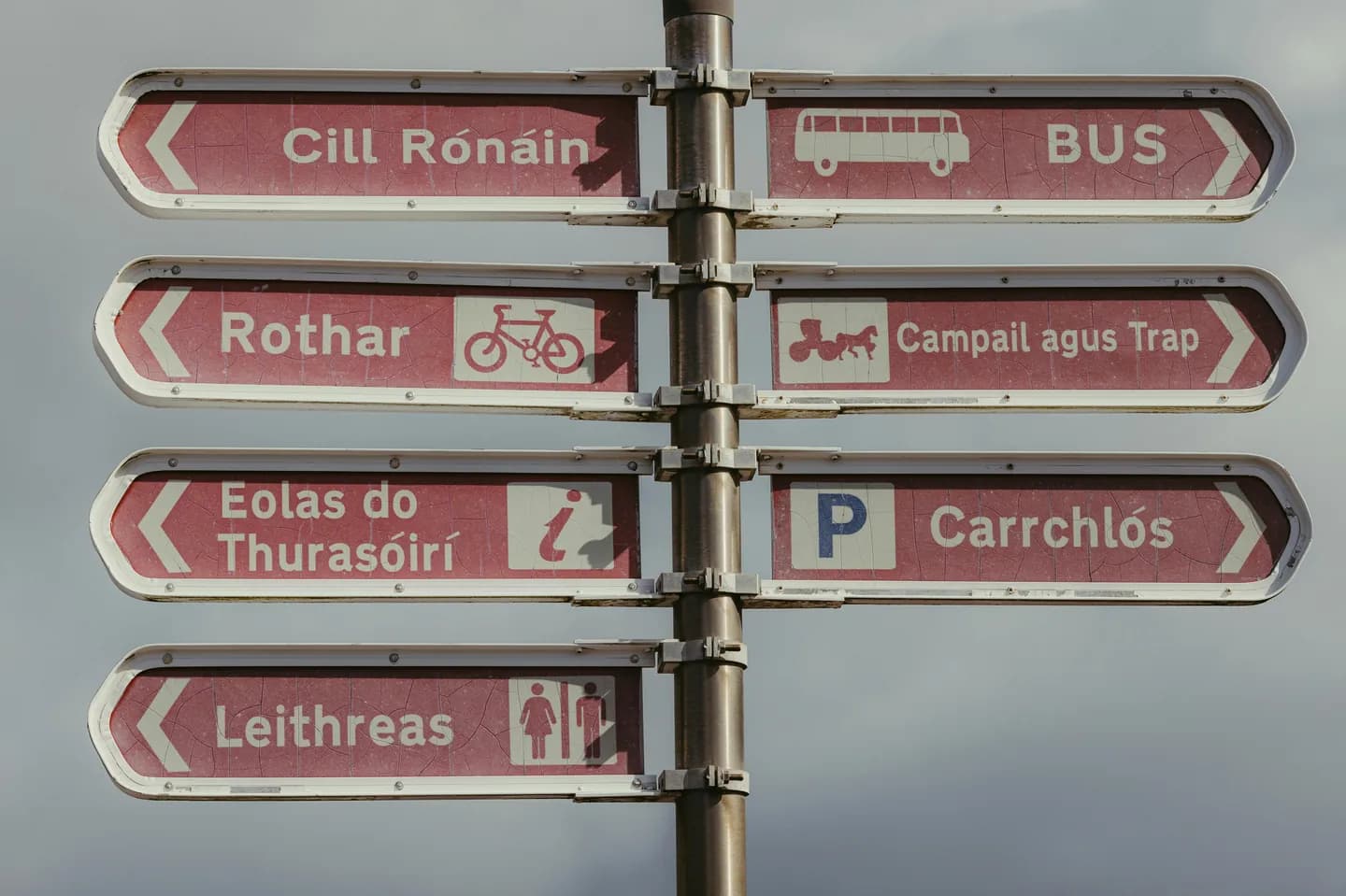
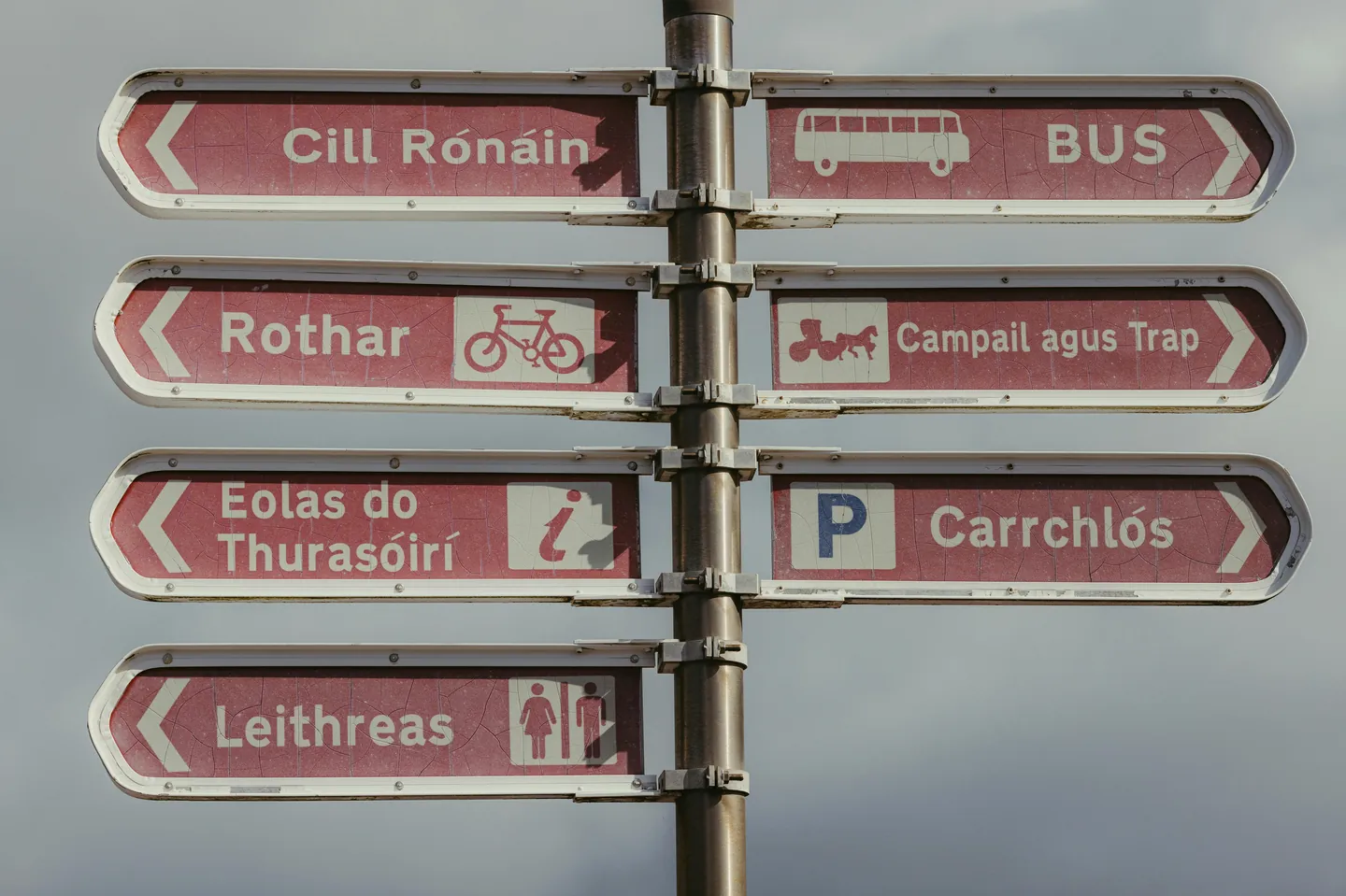
The major language spoken in the whole of Ireland is English and therefore most visitors would find communication easy. No one is expected to speak or understand Irish (Gaelic), though road signs and official documents are written in it.
6: Safety, Internet, and Connectivity
Ireland has the facilities that host foreigners.
a) Safety
Ireland is ranked among the safest tourist destinations. There is low frequency of violent crime and the majority of visits are incident free. Normal precautions, like ensuring that one has a watch over his or her personal belongings in a busy place, are usually enough.
b) Internet and Mobile Access
Hotels, cafes, restaurants and pubs are fully equipped with free Wi-Fi. Those who plan to spend more time might want to buy a cheap local SIM card that will provide them with high-quality mobile data and calls in the country.
7: Must-Have Experiences in Ireland
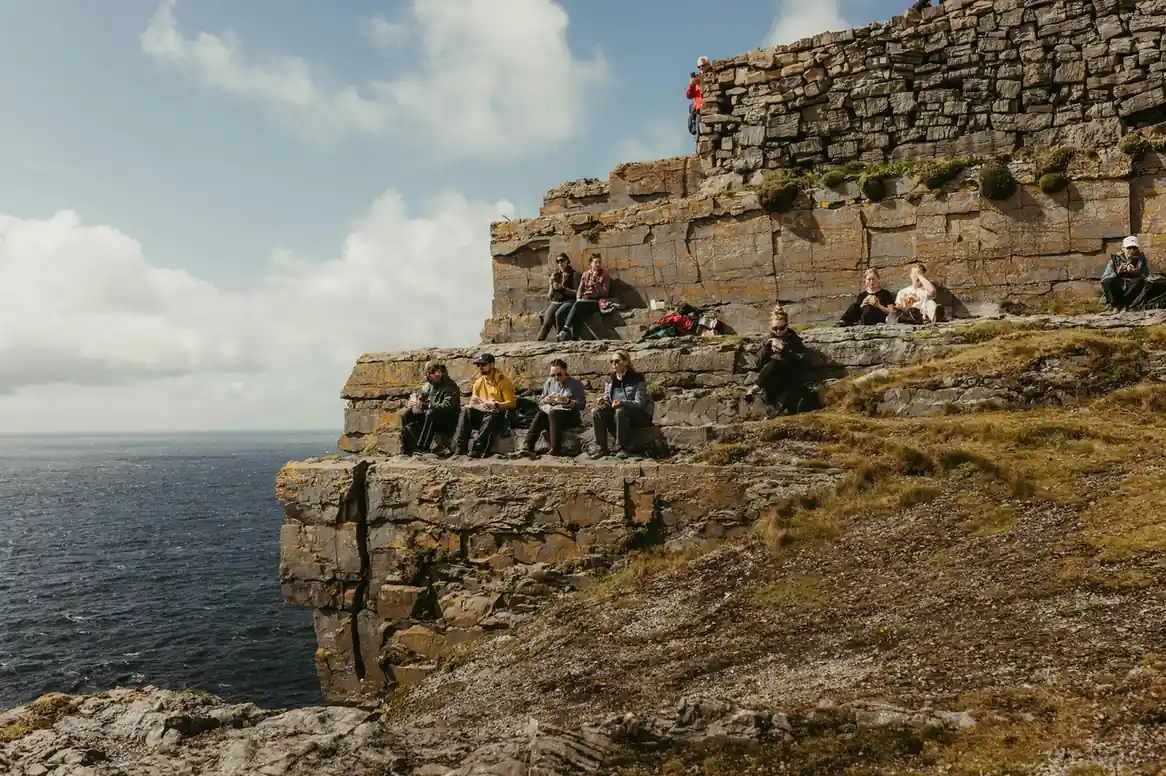
There is no trip that is incomplete without indulging in the classic experiences in Ireland:
- Travelling along scenic coastlines and beautiful town villages.
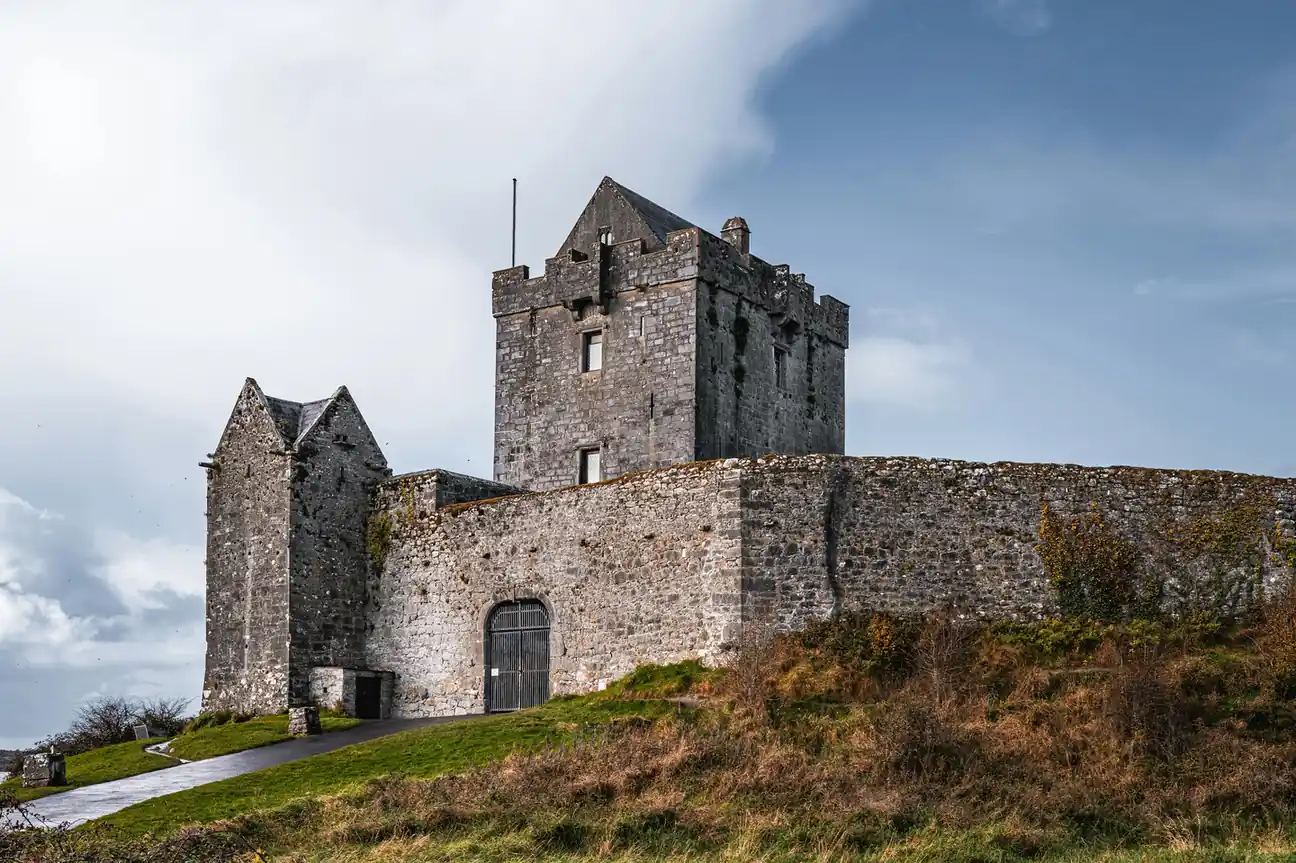
- Touring of old castles, monasteries and ancient ruins.
- Having a traditional Irish meal and watching folk live music.
- Strolling in national parks and beautiful towns.
To have all these highlights in their itinerary many tourists choose curated Ireland Travel Packages to visit the country and have a hassle-free trip.
Frequently Asked Questions
1. Do I need a visa to visit Ireland?
Depending on the nationality, visa requirements vary. Visa-free entry is allowed to some travelers on short-term basis, but others have to apply beforehand.
2. Is Ireland expensive for tourists?
Ireland is average in pricing especially in accommodation and food, though they can be controlled once early bookings and smart planning is done.
3. How many days are ideal for an Ireland trip?
The best time to visit the main cities, the picturesque roads, and the cultural places of interest is to take a 7-10 days trip without hurrying.
4. Can I explore Ireland without renting a car?
Yes, particularly in cities and larger towns, but a car offers more flexibility to the rural setting.
5. Does it really rain all the time?
It often rains but it is normally light and short. It does not interfere with travelling plans with appropriate clothes.
Conclusion
Whether it is selecting the most appropriate time of the year to travel or knowing local culture, weather and mode of transportation, careful planning is major in making a journey memorable. Planning a Trip to Ireland is a much easier task when you are aware of what to expect and how to prepare to the unique charm of the country. Having the appropriate level of planning and flexibility, Ireland will give its visitors beautiful scenery, history, and authentic hospitality. It is time to start planning your itinerary, take on the adventure and Plan Your Ireland Trip Today in order to see the magic of the Emerald Isle with your own eyes.
Read more:
Ready to plan your next adventure?
GoKite Travel makes your dream trip a reality.